Practical Guide to Combining Different Crafts
Combining various crafts can enrich your creative experience and open up new avenues for expression. This guide explores how to effectively blend different crafting techniques, providing practical insights and realistic expectations for your DIY projects.
Understanding the Basics of Crafting Combinations
Combining different crafts involves the integration of various techniques and materials to create unique pieces. According to crafting experts, this approach can enhance creativity and skill development. For instance, mixing sewing with embroidery often results in visually appealing and textured designs.
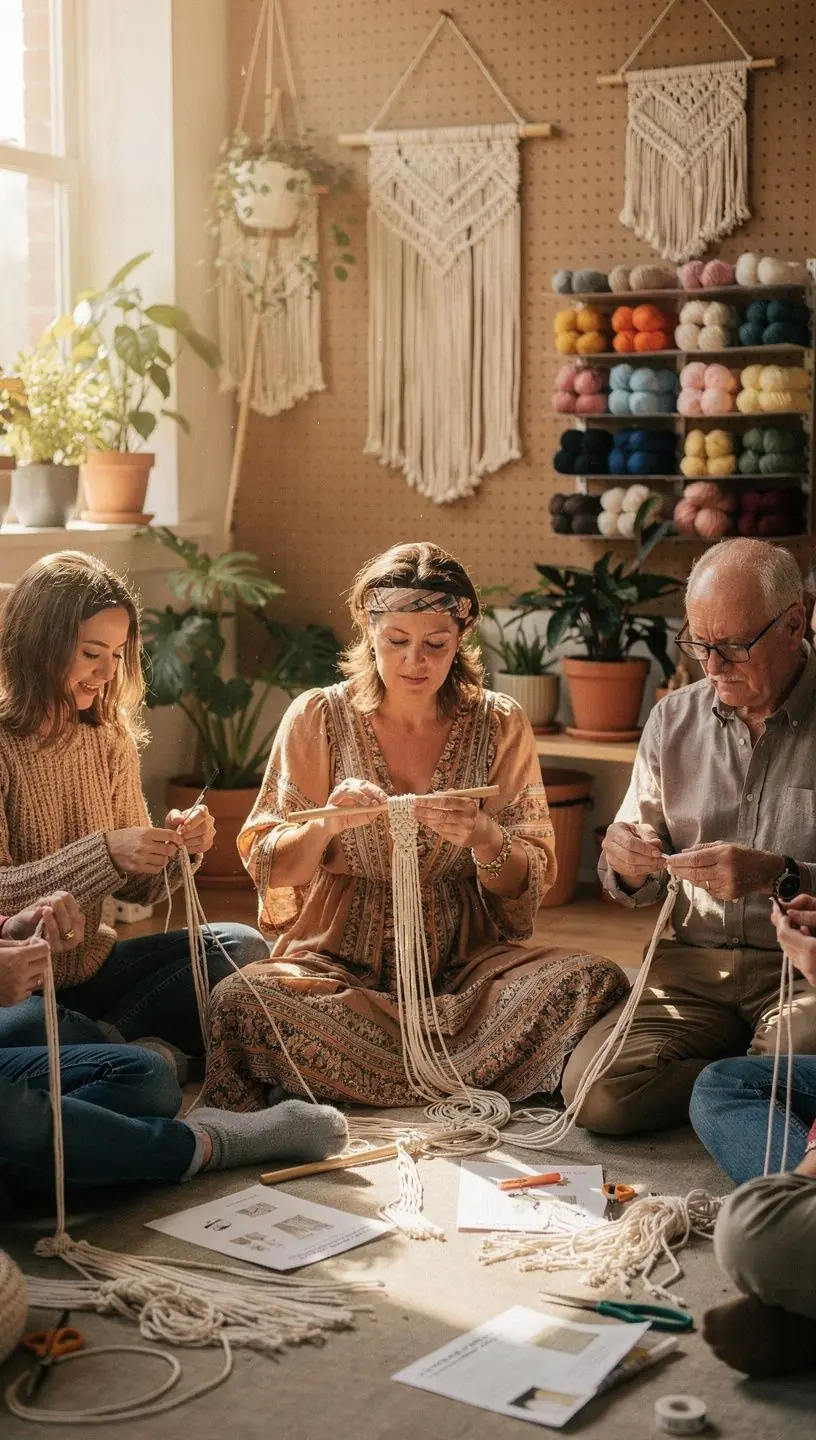
"Incorporating multiple crafting disciplines can significantly improve your creative output and problem-solving skills." - Crafting Research Institute
The Benefits of Blending Crafts
There are several advantages to combining different crafts, including:
- Enhanced creativity: Exploring various techniques can inspire new ideas and designs.
- Skill development: Learning and practicing multiple crafts can improve overall craftsmanship.
- Diverse outcomes: Blending crafts allows for the creation of unique pieces that stand out.
Practical Steps for Combining Crafts
When starting to combine crafts, consider the following steps:
- Choose complementary crafts: Select crafts that can naturally blend. For example, knitting and felting can work well together.
- Research techniques: Look into how others have successfully combined these crafts. Online tutorials and community forums can offer valuable insights.
- Start small: Begin with a simple project that incorporates elements from both crafts. This can help you gauge what works and what doesn’t without overwhelming yourself.
- Document your process: Keep track of what techniques you used and the outcomes. This record can be useful for future projects and may reveal patterns that lead to better results.
Challenges and Considerations
While combining crafts can be rewarding, it is essential to acknowledge potential challenges:
- Time commitment: Mastering multiple crafts typically takes a considerable amount of time. Be prepared for a learning curve.
- Materials management: Different crafts may require specific materials; managing these can be challenging.
- Prior knowledge: Some combinations may necessitate a foundation in one or more crafts. For instance, knowing basic sewing techniques can be beneficial when working with fabric in other projects.
Conclusion
Combining different crafts is an effective way to expand your creative horizons and develop new skills. By following the steps outlined above and being mindful of potential challenges, you can create unique and engaging projects. Remember, the journey into blending crafts can be as rewarding as the outcomes themselves. Take your time, explore, and enjoy the process!
Discover More