How to Organize Craft Workshops for Beginners
Craft workshops can serve as a fantastic introduction for beginners to explore their creative potential. However, organizing a successful workshop involves careful planning and an understanding of participants' needs. This article outlines effective strategies and considerations to help you create engaging and informative crafting experiences.
Understanding the Basics of Workshop Organization
Organizing craft workshops typically requires a solid understanding of both the craft itself and the audience. According to industry experts, successful workshops often incorporate interactive elements that facilitate hands-on learning. This approach not only enhances skill acquisition but also increases participant engagement.

"An engaging workshop creates an environment where participants can freely express their creativity while learning essential techniques." - Craft Education Specialist
Essential Steps to Organize Your Workshop
When planning a craft workshop for beginners, consider the following steps:
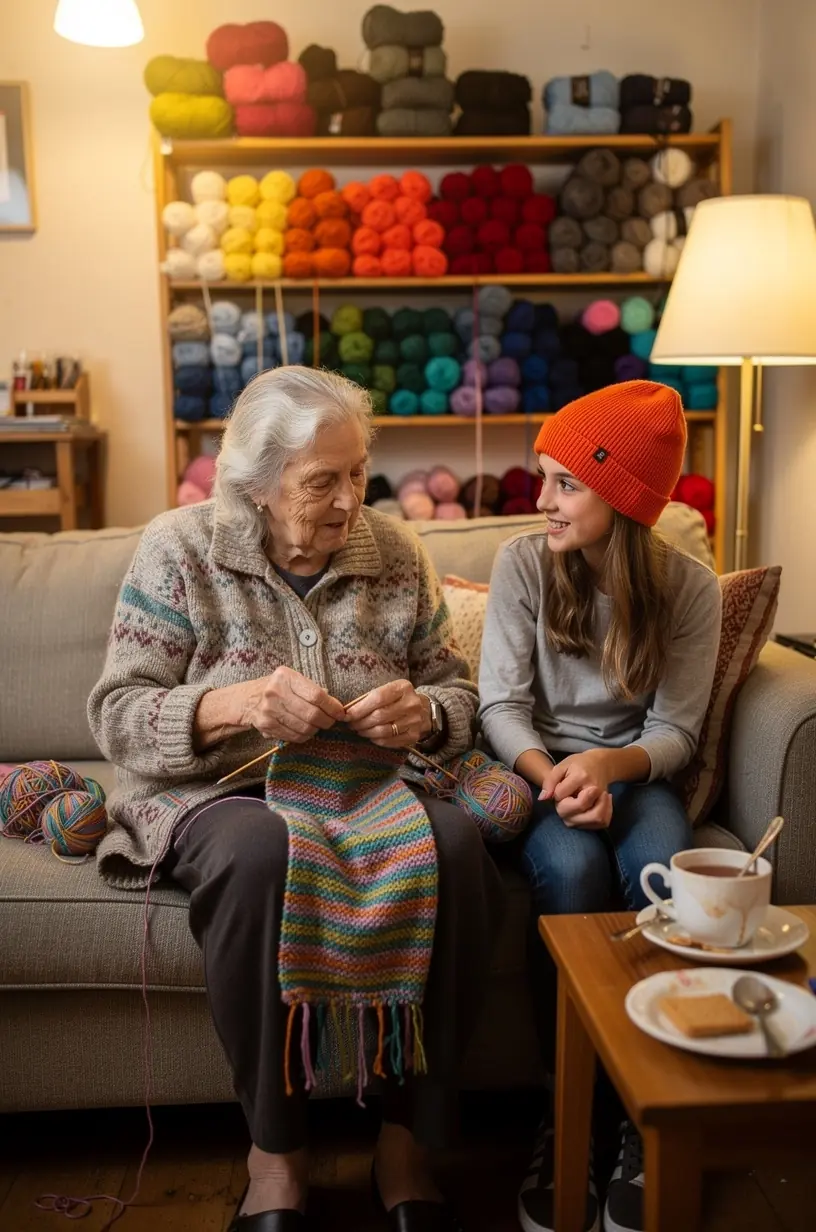
- Choose a Suitable Craft: Identify a craft that is beginner-friendly and offers clear learning objectives. Popular options include pottery, painting, and knitting, as these typically have a low barrier to entry.
- Set a Realistic Budget: Establish a budget that includes materials, venue costs, and marketing expenses. Many organizers find that allocating around £15-£30 per participant can cover basic supplies while keeping workshops affordable.
- Select a Convenient Venue: Find a location that is accessible and comfortable. Community centers or shared workspaces often provide ideal settings, as they typically offer flexible arrangements and adequate amenities.
- Plan the Schedule: Experts suggest that workshops lasting between 2-4 hours tend to work well for beginners. This timeframe allows enough time for instruction and practice without overwhelming participants.
- Market Your Workshop: Utilize social media, community boards, and local craft stores for promotion. Highlighting the benefits of the workshop, such as skill development and social interaction, can attract a larger audience.
Creating a Supportive Learning Environment
In most cases, beginners benefit from a nurturing atmosphere. Here are some tips for fostering a supportive environment:
- Encourage Questions: Create an open forum where participants feel comfortable asking questions. Research indicates that interactive dialogue significantly enhances learning outcomes.
- Provide Clear Instructions: Break down tasks into manageable steps. Beginners often appreciate visual aids and hands-on demonstrations, which can help clarify complex techniques.
- Offer Personal Guidance: Engage with participants on a personal level. Many users report feeling more confident when they receive individualized feedback and encouragement.
Evaluating the Workshop Outcome
After the workshop, it’s essential to gather feedback to understand what worked well and what could be improved. This process typically involves:
- Distributing anonymous surveys to gather participants' thoughts
- Assessing skill development through a simple project review
- Considering follow-up sessions for participants interested in continuing their learning journey
According to research, consistently seeking feedback can lead to a more refined workshop experience and improved participant satisfaction.
Conclusion
Organizing craft workshops for beginners can be a rewarding endeavor that fosters creativity and community engagement. By following the outlined steps and creating a supportive atmosphere, you can help novices discover their artistic voice. Remember, the key is to set realistic expectations and remain open to feedback, ensuring that your workshops evolve into enriching experiences for all involved.
Discover More