The Importance of Skill Diversity in Craft Communities
In the world of DIY hobbies, the richness of skill diversity plays a vital role in fostering creativity and innovation. Craft communities benefit significantly from embracing a variety of skills, allowing members to learn from one another and enhance their overall crafting experience.
Understanding the Basics of Skill Diversity
Skill diversity refers to the range of different skills and techniques that individuals bring to a crafting community. According to research conducted by the Craft and Hobby Association, communities with diverse skill sets often report higher levels of creativity and satisfaction among members. This occurs because different perspectives lead to unique problem-solving approaches and innovative ideas.
"A diverse skill set within a community can enhance creativity and collaboration, according to industry experts."
Benefits of Embracing Diverse Skills
- Enhanced Learning Opportunities: Members can learn from others with different backgrounds, which can lead to improved crafting techniques and new ideas. Many users report that participating in workshops with diverse skill instructors has greatly improved their own skills.
- Increased Collaboration: Communities that encourage varied skill sets often experience higher levels of collaboration. This works well when individuals come together to share their unique techniques and collaborate on projects, thereby creating a more enriching environment.
- Broader Project Scope: With a mix of skills, the community can tackle a wider range of projects. This involves accepting that some projects may require more time and planning, as different skills come into play. Typically, members find that engaging in projects that combine multiple crafts adds a layer of excitement and challenge.
Practical Application for Craft Communities
To effectively implement skill diversity in crafting hubs, consider the following steps:
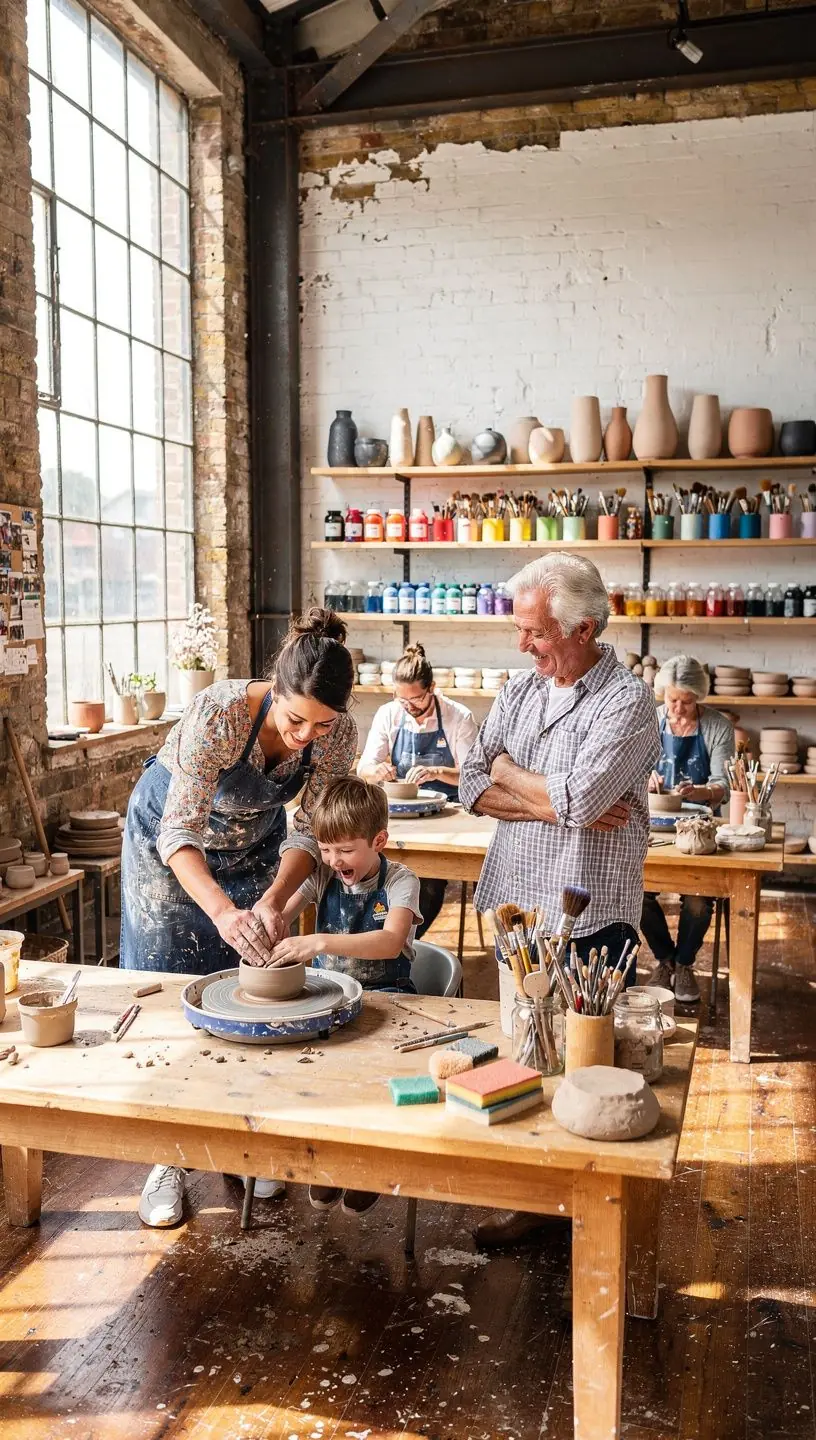
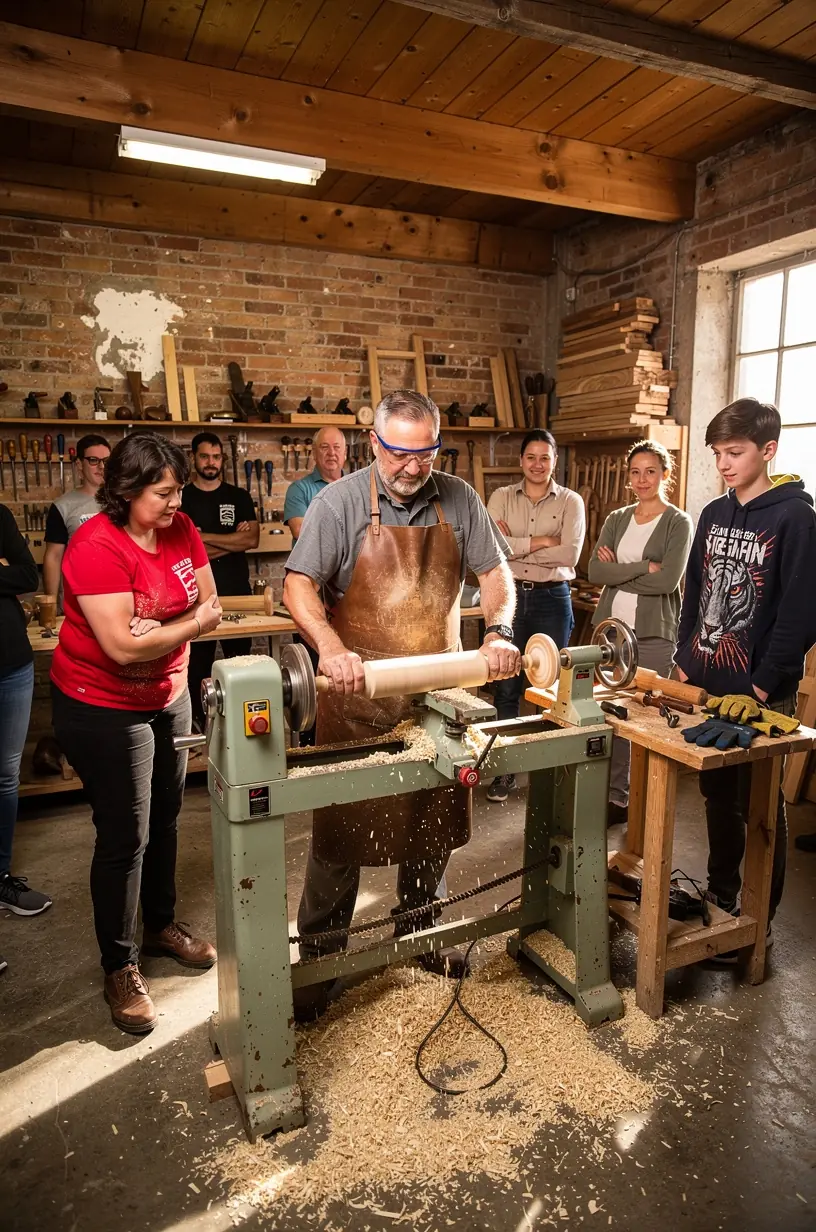
- Host Skill Sharing Workshops: Organizing workshops where members teach each other their specialized skills can significantly enhance the collective knowledge of the community.
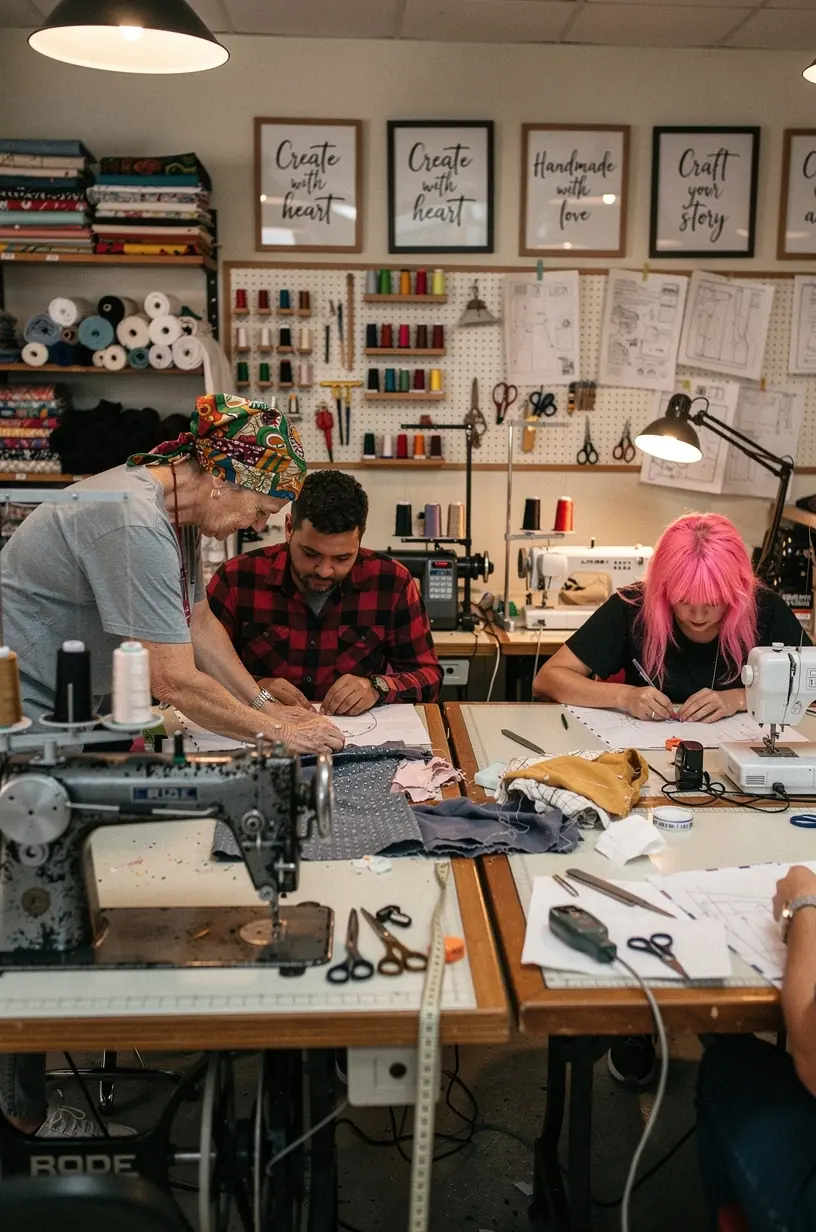
- Encourage Collaborative Projects: Create opportunities for members to work together on projects that require multiple skills. This not only fosters teamwork but also allows individuals to step out of their comfort zones.
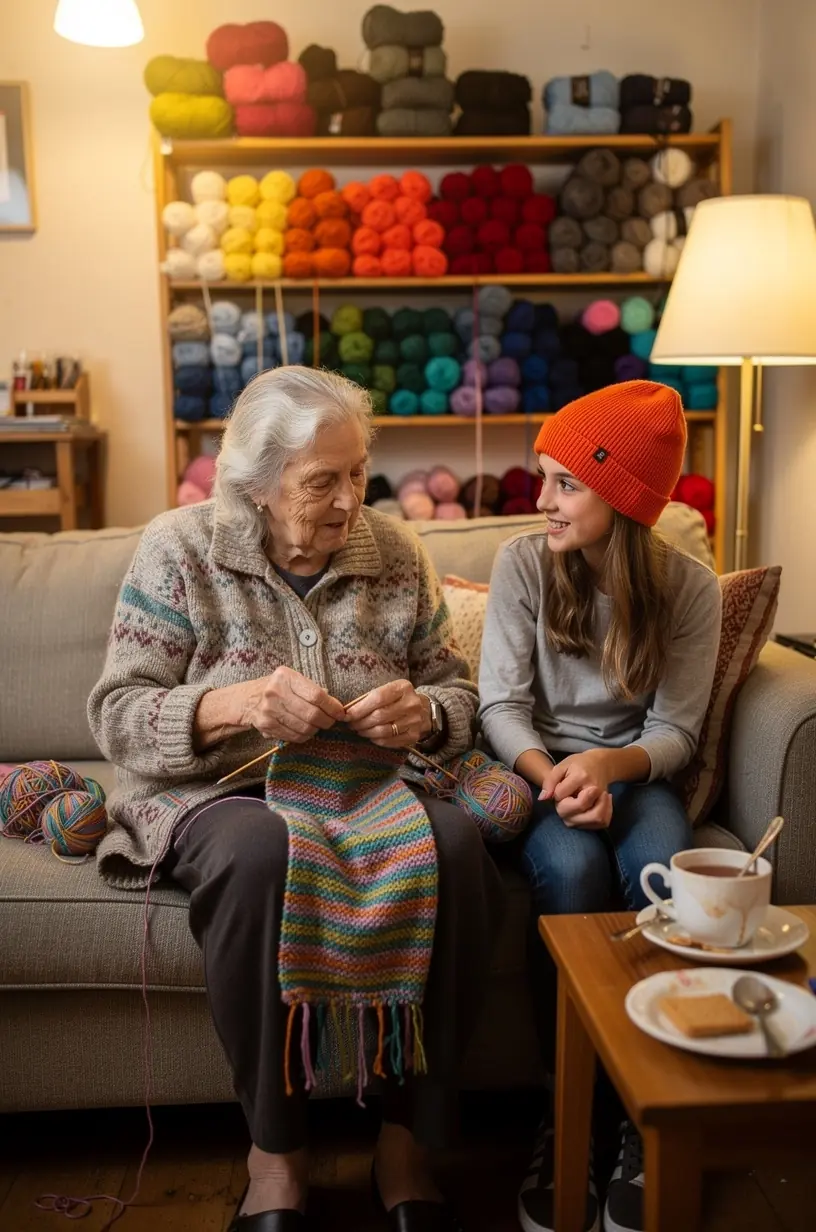
- Provide Mentoring Opportunities: Pairing experienced crafters with novices can help transfer essential skills and knowledge. Many experts recommend establishing a mentoring program to facilitate this process.
Challenges and Considerations
While cultivating skill diversity offers numerous benefits, it’s important to acknowledge some limitations. For instance, members may need time to adapt to new techniques, which typically involves a learning curve. Additionally, projects requiring multiple skills may not be suitable for beginners and could necessitate prior knowledge in specific areas.
Conclusion
In conclusion, fostering skill diversity in craft communities can enhance creativity, collaboration, and project scope. By embracing a variety of skills, community members can enjoy a richer, more educational crafting experience. As you explore the possibilities within your craft community, remember that the journey to skill diversity is ongoing and requires commitment, but the rewards can be substantial.