How to Foster Mentorship in DIY Craft Hubs
Creating a vibrant community in DIY craft hubs requires more than just shared space; it necessitates a culture of mentorship. This article explores effective strategies for fostering mentorship that can enhance collaboration and skill development among members.
Understanding the Importance of Mentorship
Mentorship in DIY craft hubs serves as a catalyst for personal and professional growth. Research indicates that mentorship relationships can lead to significant improvements in skills and confidence levels among participants. In many cases, individuals who engage in mentorship report enhanced learning experiences and greater satisfaction with their craft journey.

"Effective mentorship can accelerate skill acquisition and foster a sense of belonging within the community." - Craft Education Expert
Practical Strategies for Fostering Mentorship
- Create Structured Programs: Develop mentorship programs with clear objectives and timelines. Experts recommend that structured programs typically last between 3 to 6 months to allow meaningful relationships to form.
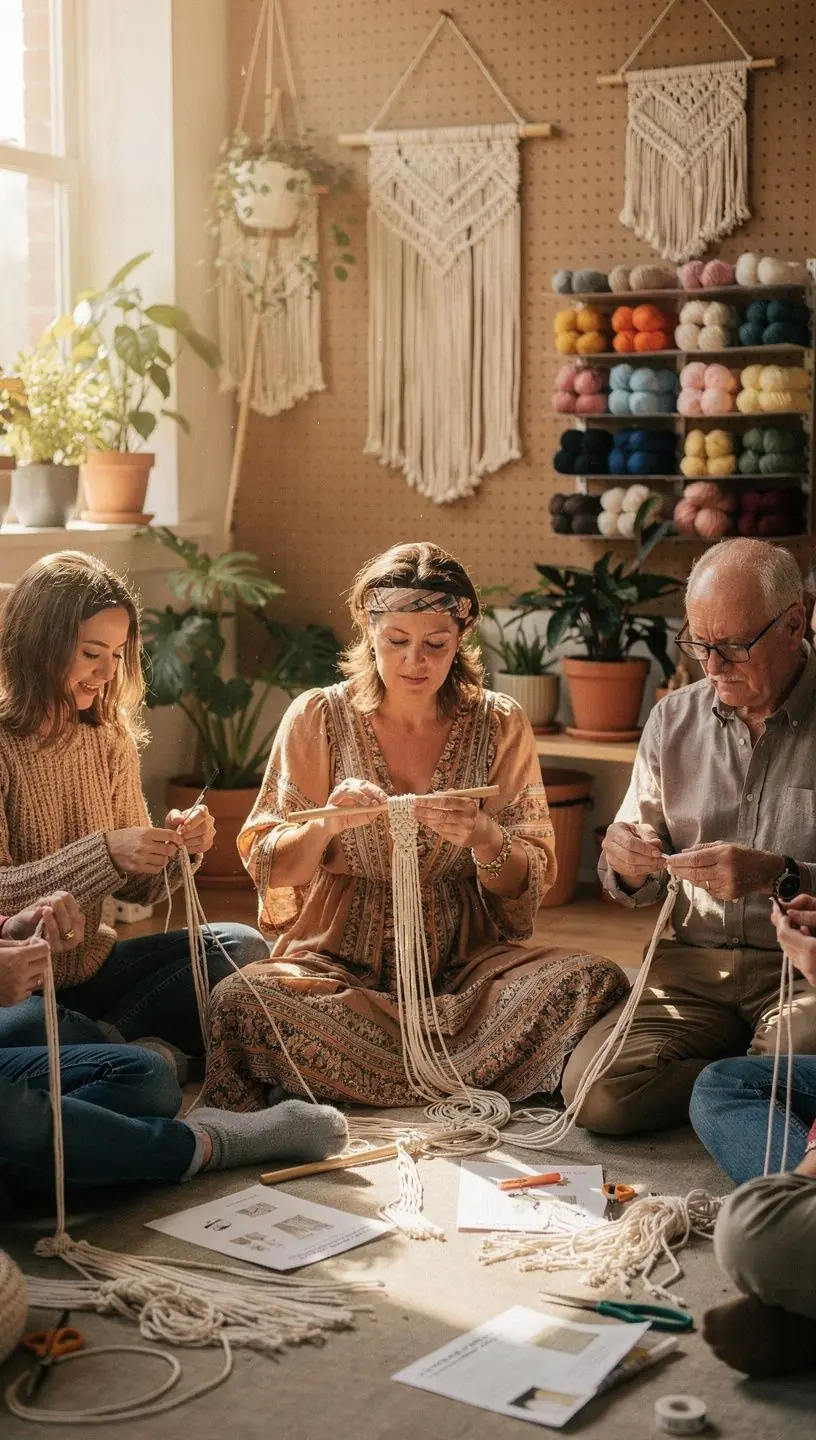
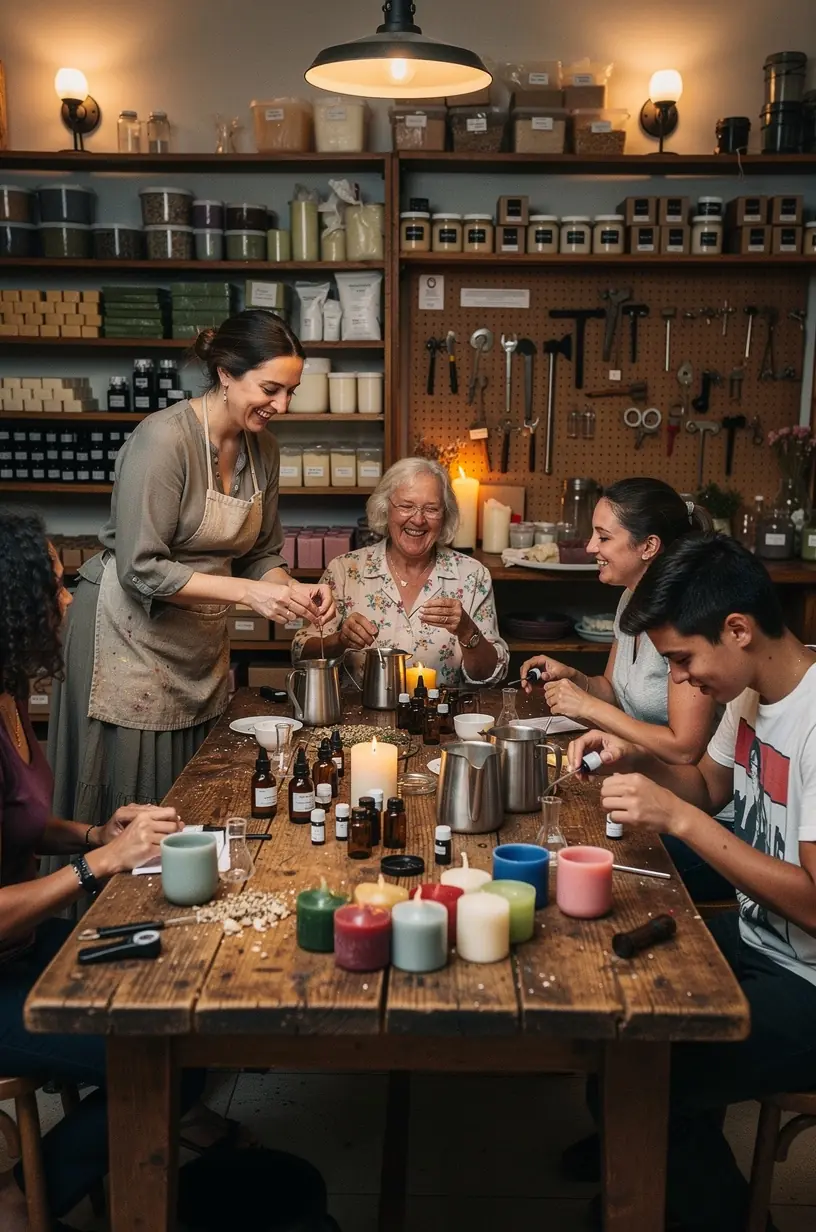
- Encourage Volunteer Mentors: Inspire experienced members to take on mentorship roles. This approach not only builds community but also enhances the mentors' leadership skills. It often requires a commitment of a few hours per month.
- Facilitate Regular Meetups: Organizing regular mentor-mentee meetings can help maintain engagement. In most cases, these meetings should focus on skill development and project collaboration to ensure productive interactions.
Leveraging Technology for Mentorship
Utilizing online tools can enhance the mentorship experience. Platforms like video conferencing and project management applications can bridge the gap between in-person meetings. Studies show that incorporating technology can improve communication and collaboration among mentors and mentees.
Acknowledging Challenges
While fostering mentorship is essential, it is also important to acknowledge the challenges involved. For instance, creating a successful mentorship program typically requires a dedicated coordinator to manage relationships and logistics. Furthermore, establishing trust and rapport between mentors and mentees may take time and effort.
Conclusion
Building a strong mentorship culture within DIY craft hubs can lead to enriched learning experiences and a supportive community atmosphere. By implementing structured programs, encouraging experienced members to mentor others, and leveraging technology, craft hubs can foster meaningful mentorship relationships. Remember, while it may take time and commitment, the long-term benefits for both mentors and mentees are well worth the effort.