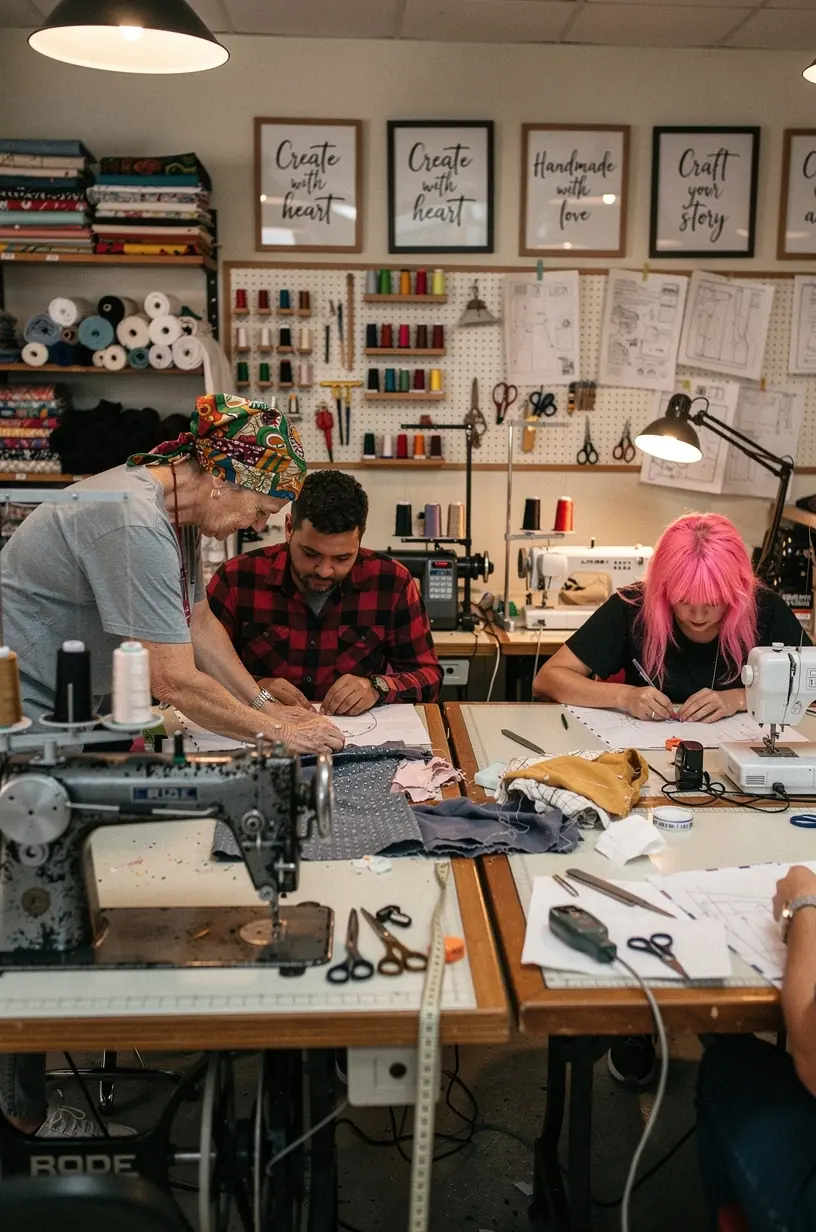
Navigating Safety Protocols in a Shared Workshop
Participating in a shared workshop can be an exciting opportunity to engage in various crafts, but it also comes with a responsibility to maintain a safe environment. Understanding and adhering to safety protocols is crucial for everyone involved.
Understanding the Basics of Safety Protocols
Safety protocols in shared workshops are designed to protect users from potential hazards and accidents. According to research, a well-implemented safety program can reduce workplace injuries by 20-40%. These protocols typically include guidelines on equipment usage, personal protective equipment (PPE), and emergency procedures. The principles behind these regulations are grounded in the idea of risk management, which aims to identify, evaluate, and mitigate risks associated with various craft activities.

"A proactive approach to safety can foster a culture of responsibility and awareness within a shared workspace."
Key Safety Practices to Follow
When participating in a shared workshop, there are several safety practices that you should follow:
- Familiarize Yourself with Equipment: Before using any tools or machinery, take time to read the operating manuals and understand their functions. Many experts recommend attending a safety briefing to gain a comprehensive understanding of the equipment.
- Wear Appropriate PPE: Always wear the necessary personal protective equipment, such as safety glasses, gloves, and masks. This can help protect you from dust, chemicals, and physical injuries. Industry standards suggest that wearing PPE can reduce the severity of injuries by up to 70% in certain situations.
- Maintain a Clean Workspace: Keeping your work area tidy can significantly reduce the risk of accidents. Studies show that cluttered environments are often linked to higher accident rates.
- Follow Emergency Procedures: Familiarize yourself with the emergency exits, first aid kits, and fire extinguishers. Research indicates that clear emergency protocols can decrease panic during unexpected situations, allowing for a more effective response.
Engaging with Your Community
Collaboration and communication with fellow workshop members are essential for promoting safety. Engaging in discussions about safety concerns can help identify potential hazards that may not be immediately apparent. Experts often recommend establishing a buddy system where experienced users mentor beginners, ensuring that safety practices are reinforced.
Conclusion
Navigating safety protocols in a shared workshop is vital for ensuring a productive and enjoyable crafting experience. By understanding the basics of safety practices, familiarizing yourself with equipment, and engaging with your community, you can contribute to a safer environment for everyone. Remember, prioritizing safety is not just about compliance; it’s about creating a culture of care and respect within the crafting community.