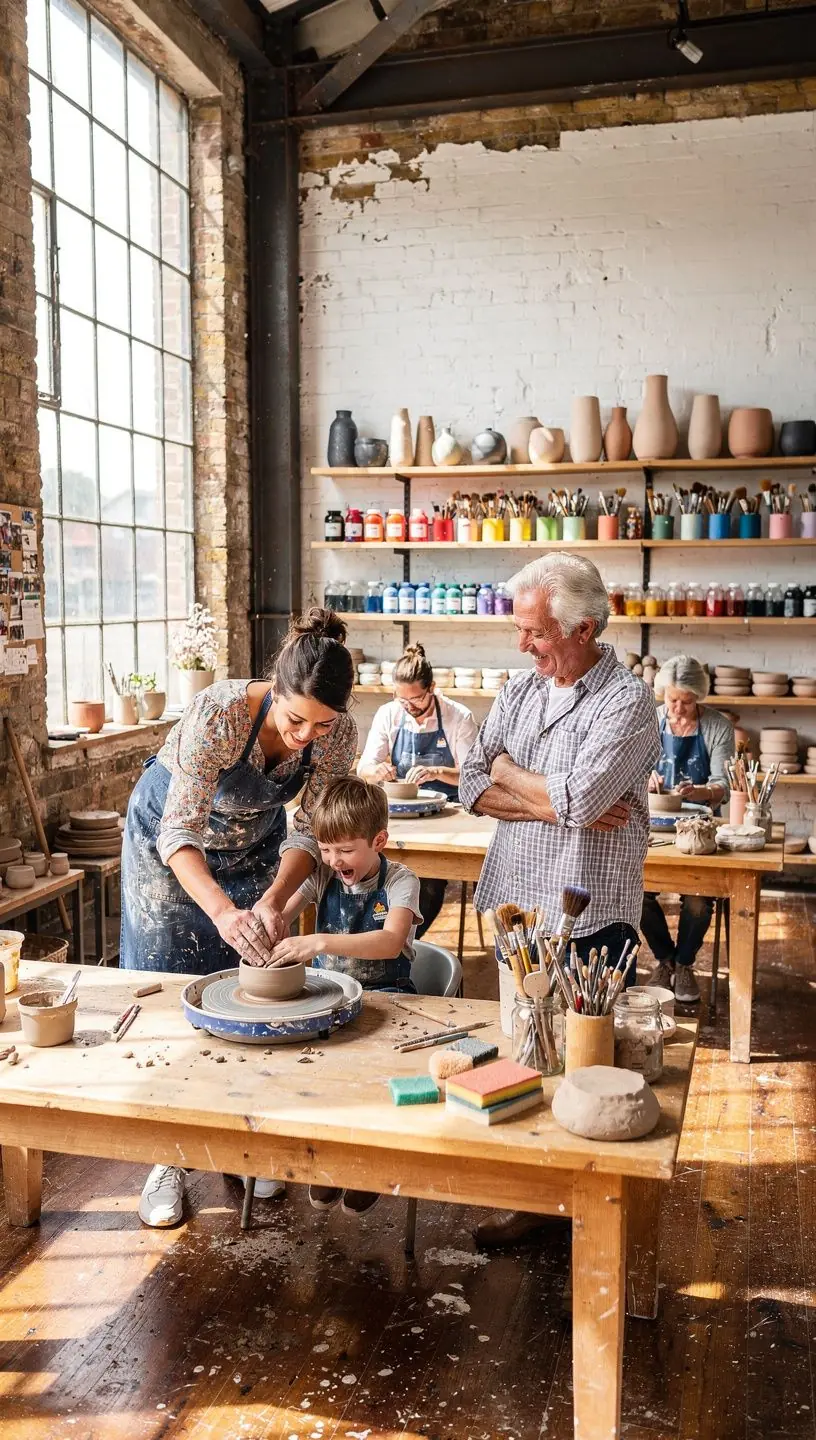
Exploring Sustainable Materials in DIY Hobbies
As DIY culture continues to grow in popularity, many hobbyists are seeking ways to incorporate sustainability into their projects. This article explores various sustainable materials commonly used in DIY hobbies, providing insights into their benefits and considerations.
Understanding Sustainable Materials
Sustainable materials are those that are sourced, manufactured, and used in a way that minimizes environmental impact. According to research, utilizing sustainable materials in DIY projects can significantly reduce waste and carbon footprints. For instance, recycled materials are often used to create new products, effectively diverting waste from landfills.
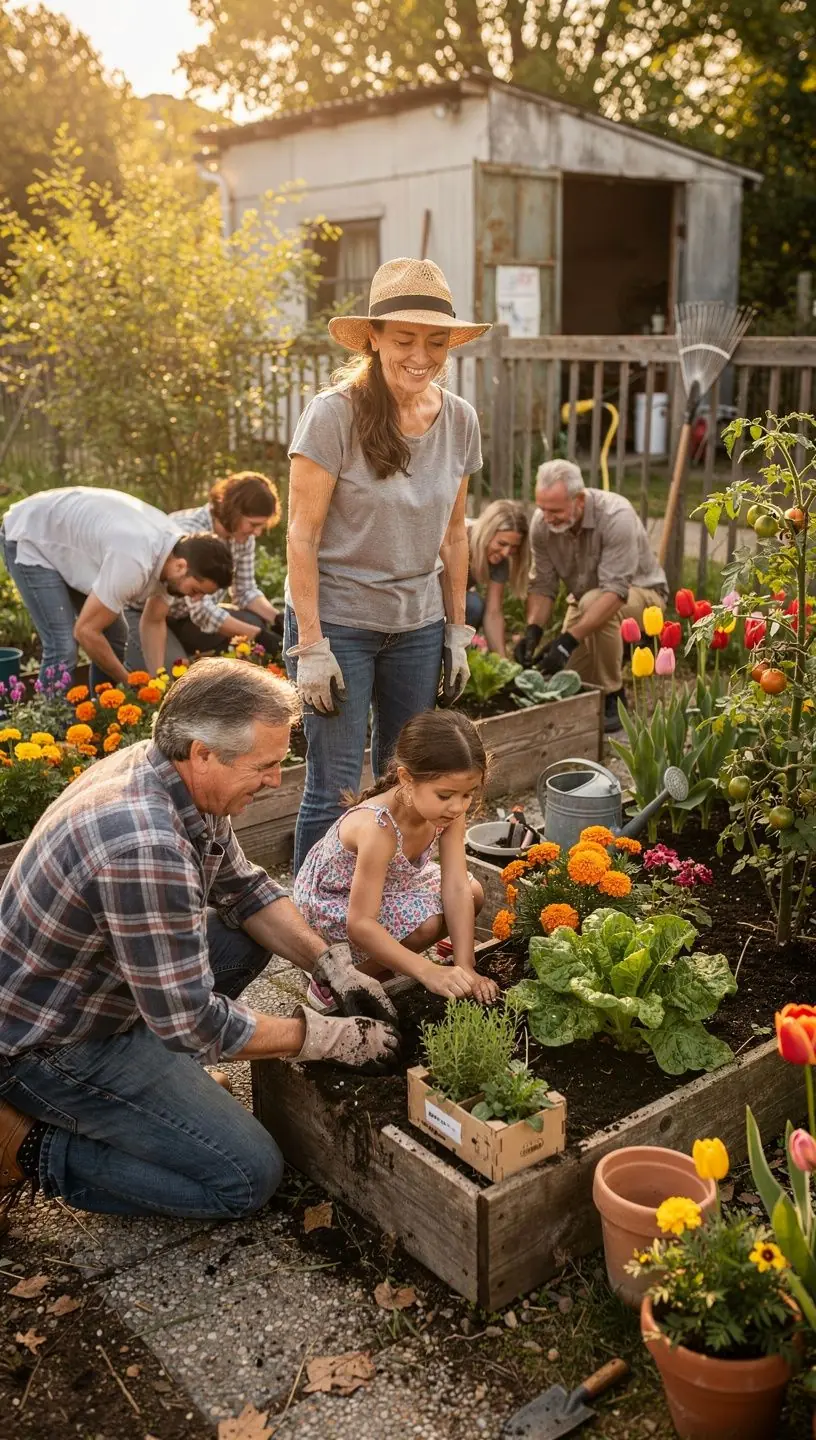
"Sustainable practices in crafting not only benefit the environment but also foster creativity and innovation among DIY enthusiasts." - Industry Expert
Common Sustainable Materials for DIY Projects
Here are some popular sustainable materials that you might consider for your next DIY project:
- Bamboo: Known for its rapid growth, bamboo is a renewable resource that is often used in furniture and home decor. Experts recommend bamboo for its durability and low environmental impact.
- Recycled Paper: Utilizing recycled paper in crafts can significantly reduce the demand for new resources. Many users report that recycled paper products, such as paper-mâché, are easy to work with and yield beautiful results.
- Natural Dyes: Instead of synthetic dyes, consider using plants or natural materials to create colors for fabrics or papers. This method is not only eco-friendly but also adds a unique touch to your creations.
- Upcycled Materials: Many DIYers repurpose items such as glass jars, old furniture, or fabric scraps. Research indicates that upcycling can decrease overall waste and inspire creativity in craft projects.
Practical Tips for Using Sustainable Materials
To successfully incorporate sustainable materials into your DIY projects, consider the following tips:
- Research Sources: Look for suppliers that prioritize sustainability. Many local shops in the UK are beginning to offer eco-friendly materials, and online resources can help you find verified vendors.
- Plan Your Projects: Before starting, outline your project clearly to ensure that you are using materials efficiently. This practice typically takes time but can lead to reduced waste and better results.
- Experiment and Innovate: Embrace the learning curve associated with new materials. Many users find that experimenting with sustainable options often leads to unexpected and delightful outcomes, enhancing the crafting experience.
Challenges and Considerations
While the use of sustainable materials is generally beneficial, there are some challenges to keep in mind:
- Availability: Sustainable materials may not always be readily available in local stores, which can require additional effort to source.
- Cost: Some sustainable options can be more expensive than conventional materials. However, many users report that the long-term benefits often outweigh initial costs.
- Skill Level: Certain sustainable materials may require specific skills or techniques. It's important to ensure you are prepared for the learning curve involved.
Conclusion
Incorporating sustainable materials into your DIY hobbies not only supports the environment but also enhances your creativity and resourcefulness. By understanding the various options available and acknowledging the challenges, you can effectively integrate sustainable practices into your projects. Remember that the journey of creating with eco-friendly materials can be as rewarding as the final product itself.
Discover More