Creating an Inclusive Environment in DIY Spaces
In today's diverse society, fostering inclusivity in DIY spaces is essential for encouraging creativity and collaboration. This article explores practical strategies to create welcoming environments that cater to a variety of skill levels and backgrounds.
Understanding the Importance of Inclusivity
Creating an inclusive environment in DIY spaces is not just about physical accessibility; it involves fostering a culture where everyone feels valued and empowered to express their creativity. According to research, inclusive spaces can significantly enhance collaboration and innovation. In many cases, organizations that prioritize inclusivity report a 20-30% increase in participant engagement.
"Inclusivity is fundamental to creativity; when people feel they belong, they are more likely to contribute their ideas." - Industry Expert
Strategies for Fostering Inclusivity
Implementing effective strategies to create inclusive DIY spaces involves thoughtful consideration of both physical and social elements. Here are some practical steps to consider:
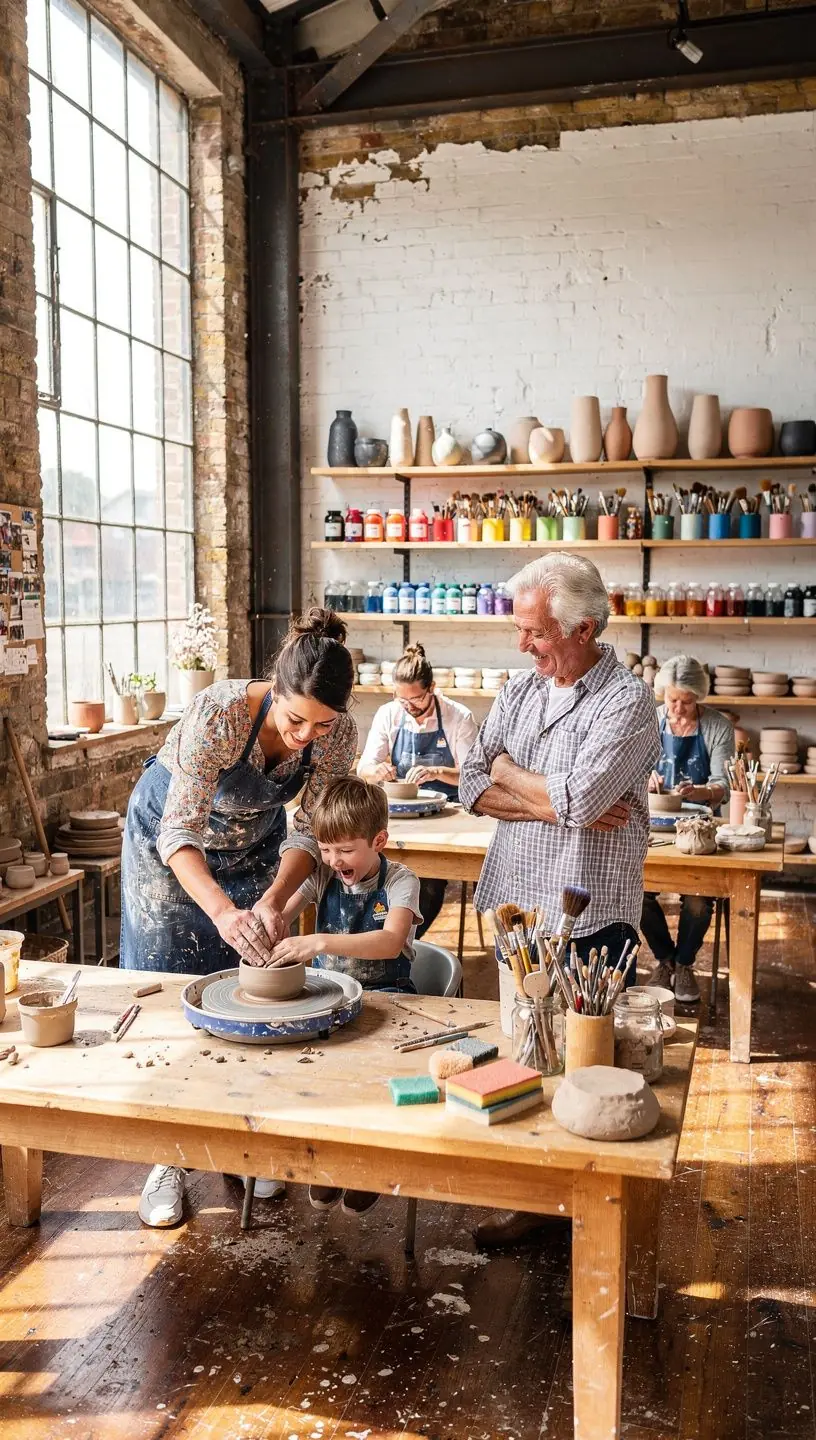
- Adapt the Physical Space: Ensure that your workspace is accessible to individuals with varying physical abilities. This may include providing adjustable tables, ample lighting, and clear pathways. Experts recommend conducting a space audit to identify potential barriers.
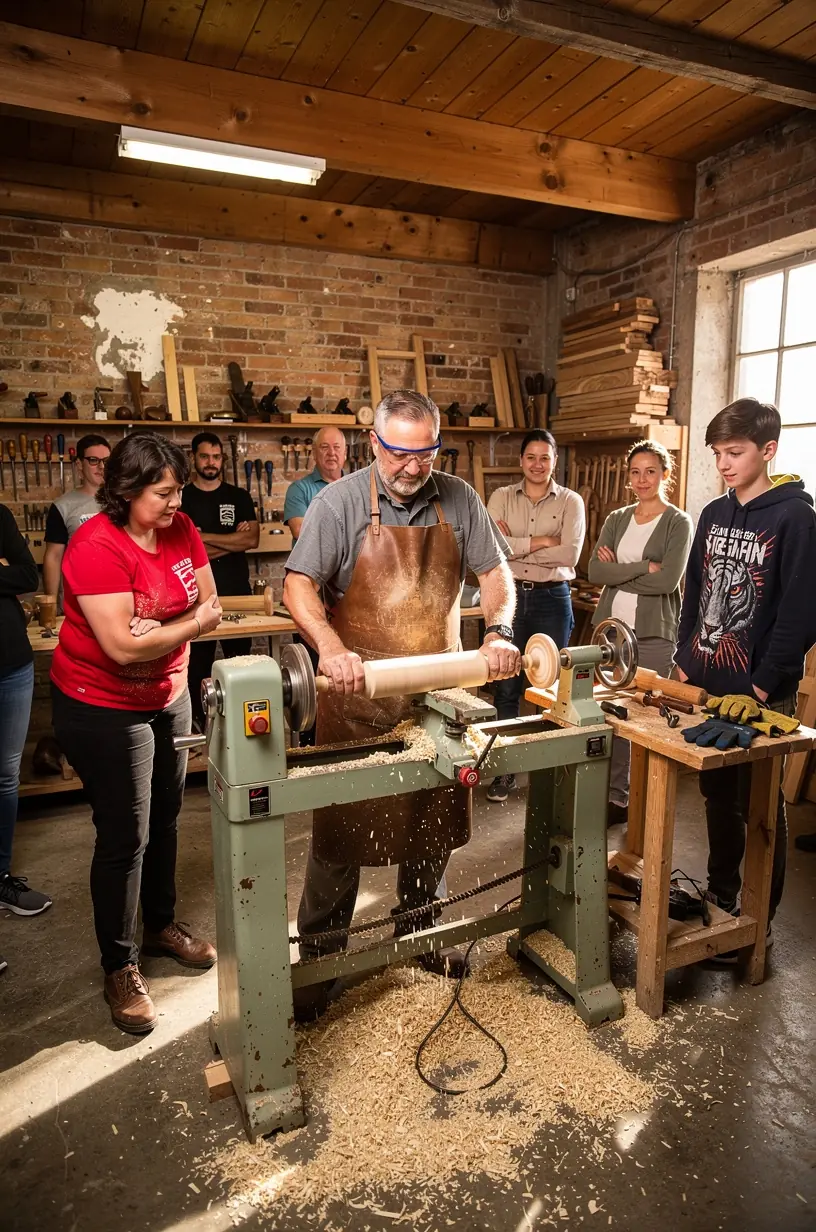
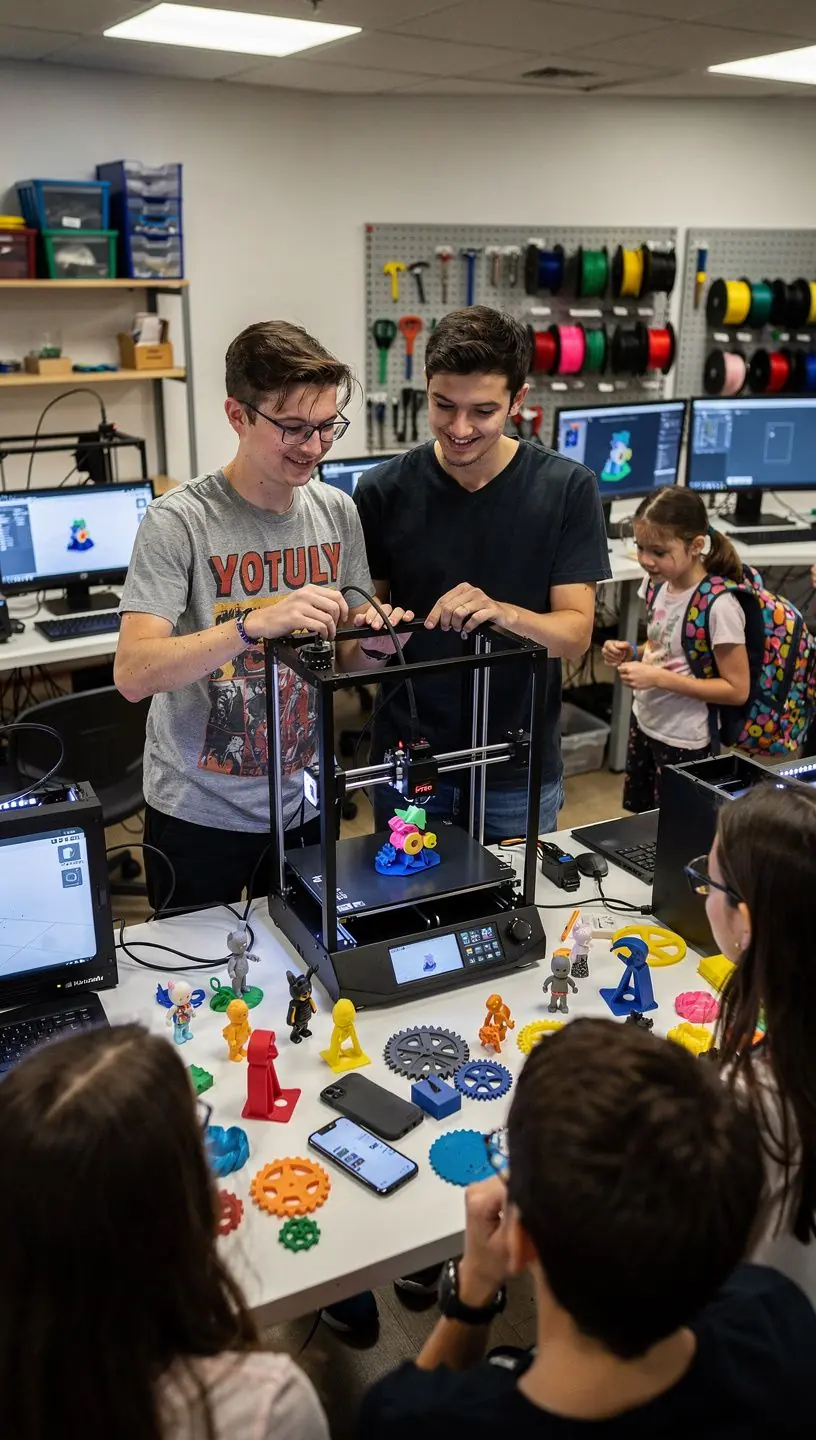
- Diverse Programming: Offer a range of classes and workshops that cater to different skill levels and interests. Incorporating various crafts and techniques can engage a broader audience and encourage cross-pollination of ideas.
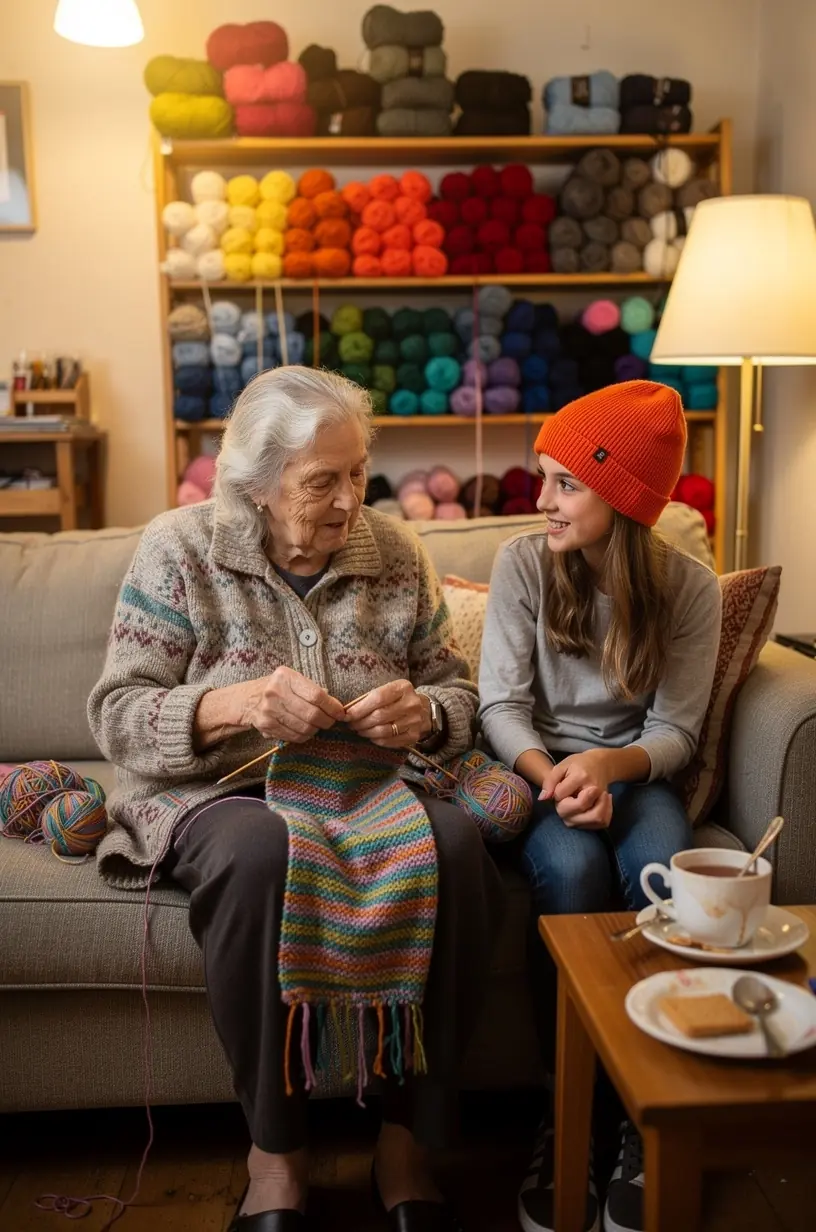
- Encourage Mentorship: Pair experienced crafters with novices to foster a sense of community and support. Mentorship not only enhances learning but builds interpersonal connections, contributing to a more inclusive atmosphere.
Creating a Supportive Culture
Inclusivity goes beyond the layout of a space; it’s about cultivating a community ethos. Here are some key factors to keep in mind:
- Establish Clear Guidelines: Set clear expectations for behavior and interactions within the space. This includes promoting respect and understanding among all participants. Research indicates that spaces with established norms see fewer conflicts and more collaboration.
- Solicit Feedback: Regularly ask for input from participants about their experiences and suggestions for improvement. Many users report feeling more valued when their voices are heard, which can lead to a stronger community bond.
- Celebrate Diversity: Recognize and celebrate the diverse backgrounds and experiences of participants. Hosting themed events or showcasing projects from different cultures can enhance community ties and foster mutual respect.
Challenges and Limitations
While creating an inclusive environment is beneficial, it is essential to acknowledge that it requires time and dedication. Building a culture of inclusivity typically takes several months, with ongoing effort necessary to maintain engagement. Additionally, be aware that not all strategies may suit every group; flexibility and adaptability are crucial.
Conclusion
Creating an inclusive environment in DIY spaces not only enhances participant engagement but also fosters creativity and collaboration. By implementing thoughtful strategies and establishing a supportive culture, you can create a space where everyone feels welcome and empowered to explore their creative potential. Remember, the journey towards inclusivity is ongoing and requires commitment from all members of the community.
Discover More