Understanding the Role of Community in Crafting
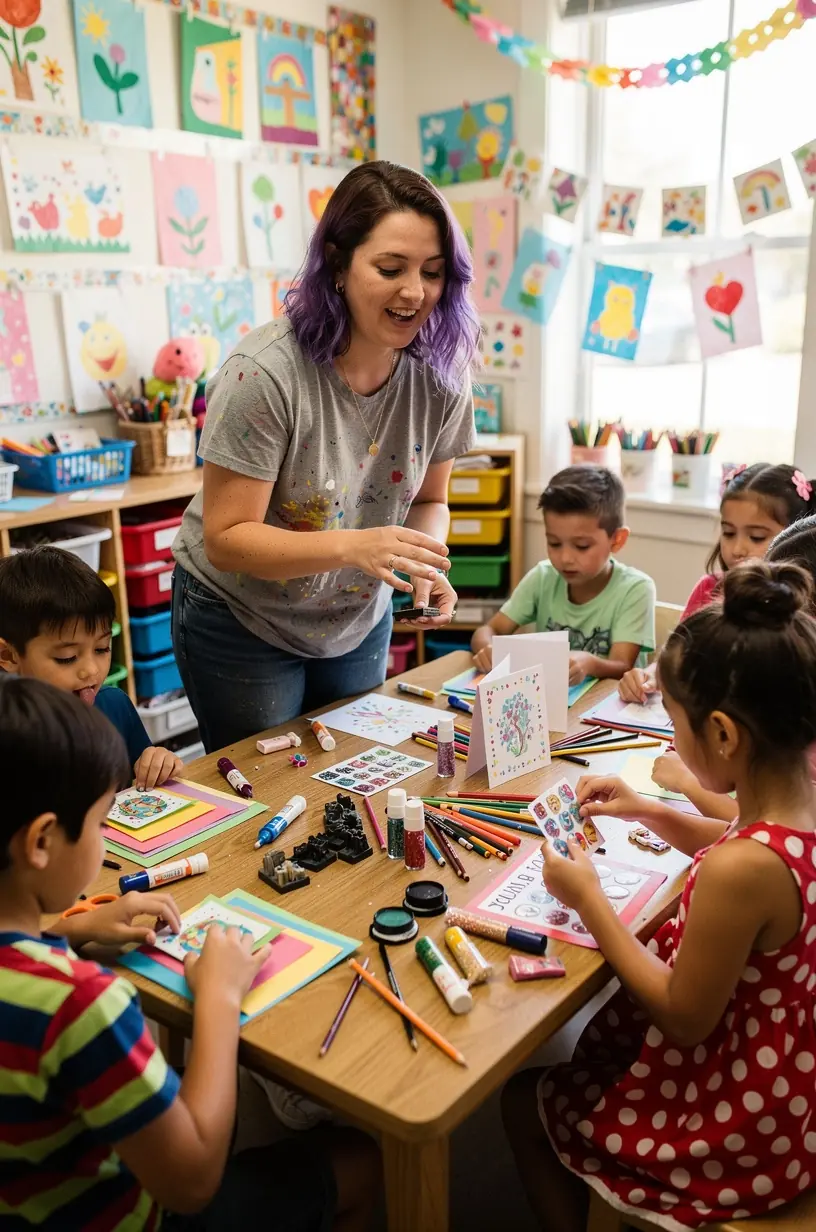
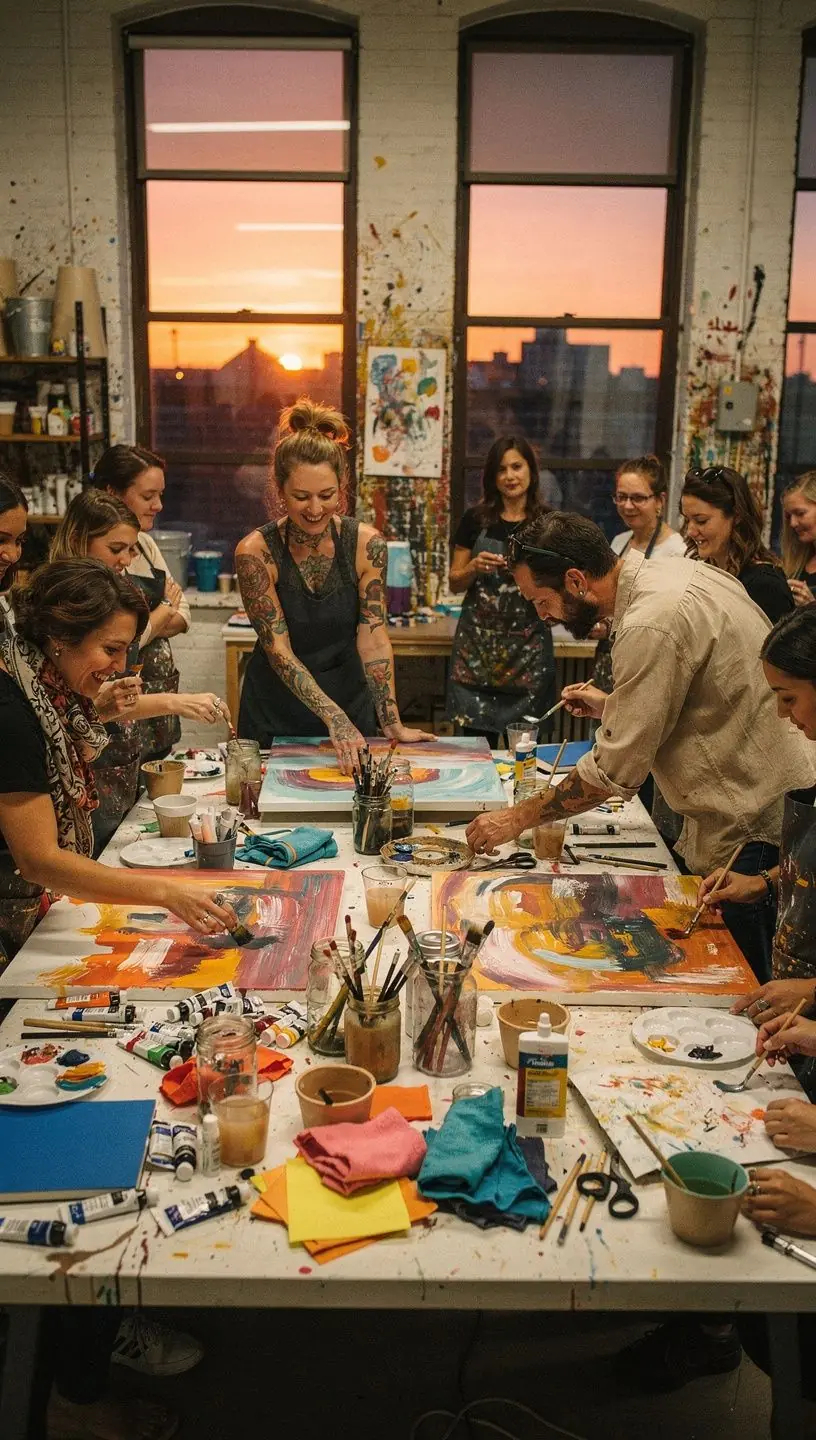
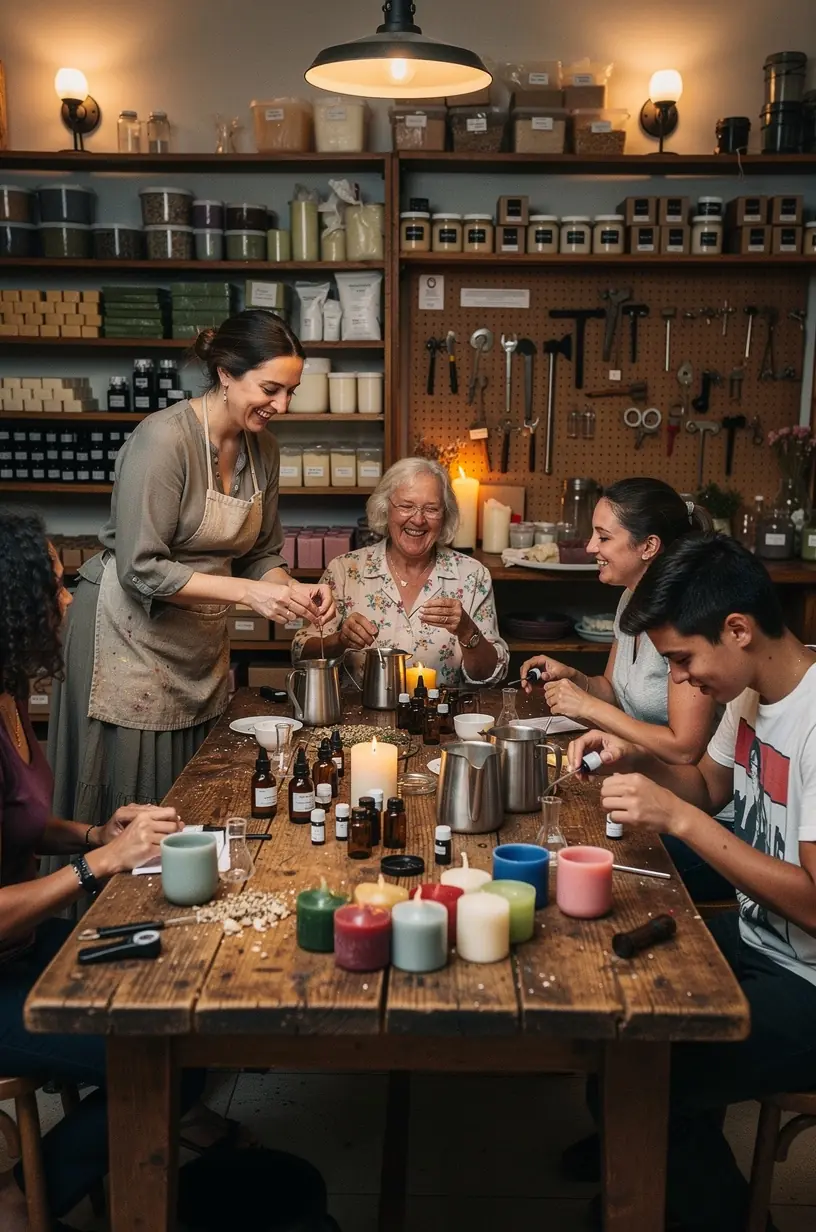
Crafting is often perceived as a solitary activity, but the role of community in this field can be profound. Engaging with others who share similar interests can enhance creativity, provide support, and foster skill development. This article explores how community involvement can affect crafting experiences and outcomes.
The Importance of Community in Crafting
According to research by the Craft and Hobby Association, around 70% of crafters believe that being part of a community enhances their crafting journey. Community engagement can offer not only inspiration but also valuable feedback that can lead to improved techniques and finished products.
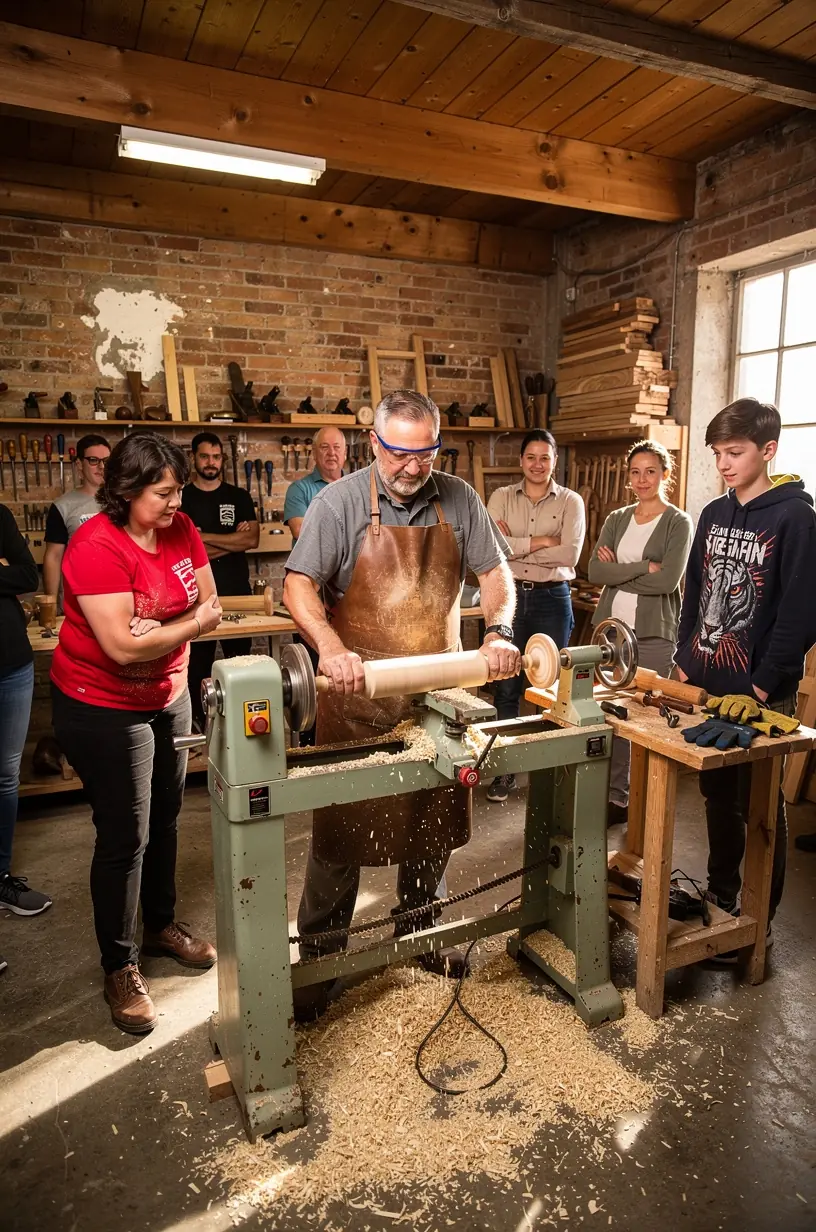
"Crafting with others can create a sense of belonging and shared purpose, significantly enhancing the overall experience." - Craft Community Research
How Community Shapes Crafting Skills
Many users report that participating in craft groups or workshops often leads to quicker skill acquisition. This is typically due to the supportive environment where individuals can learn from one another. Here are a few ways community involvement can influence skill development:
- Mentorship Opportunities: Engaging with experienced crafters can provide insights into techniques that may not be easily found in books or online resources.
- Collaborative Projects: Working on group projects allows crafters to experiment with new materials and methods, promoting a culture of exploration.
- Constructive Feedback: Sharing work with peers can lead to constructive criticism, which is essential for growth. According to industry experts, feedback can improve outcomes by 20-30% in similar contexts.
Building Connections Through Crafting
Crafting often serves as a bridge to build connections with others. In many cases, individuals may enter a crafting community seeking skills but leave with lasting friendships. The social aspect of crafting can reduce feelings of isolation and foster emotional well-being. Here are a few key benefits of social crafting:
- Enhanced Emotional Health: Studies show that participating in social activities like crafting can decrease levels of anxiety and depression.
- Networking Opportunities: Crafting communities can connect individuals to local resources, events, and markets where they can showcase their work.
- Shared Resources: Many communities have shared workspaces, providing access to tools and materials that may be unaffordable for solo crafters.
Challenges and Considerations
While community involvement in crafting can be beneficial, it’s important to acknowledge some limitations. Engaging with a community requires a commitment of time and effort. Participating in workshops or group sessions typically takes 2-4 hours weekly and involves learning curves that may vary based on individual experience levels. Additionally, some individuals may find specific communities are not suitable for their style of crafting, emphasizing the need to explore and find the right fit.
Conclusion
In summary, the role of community in crafting can significantly enhance the experience for both novice and experienced crafters. By fostering creativity, providing mentorship, and building connections, crafting communities can contribute to personal and skill development. While there may be challenges in finding the right community or committing time, the potential benefits often outweigh these hurdles. Engaging with others not only enriches the crafting process but also builds a supportive network that can last a lifetime.
Discover More