Techniques for Effective Collaboration in DIY Projects
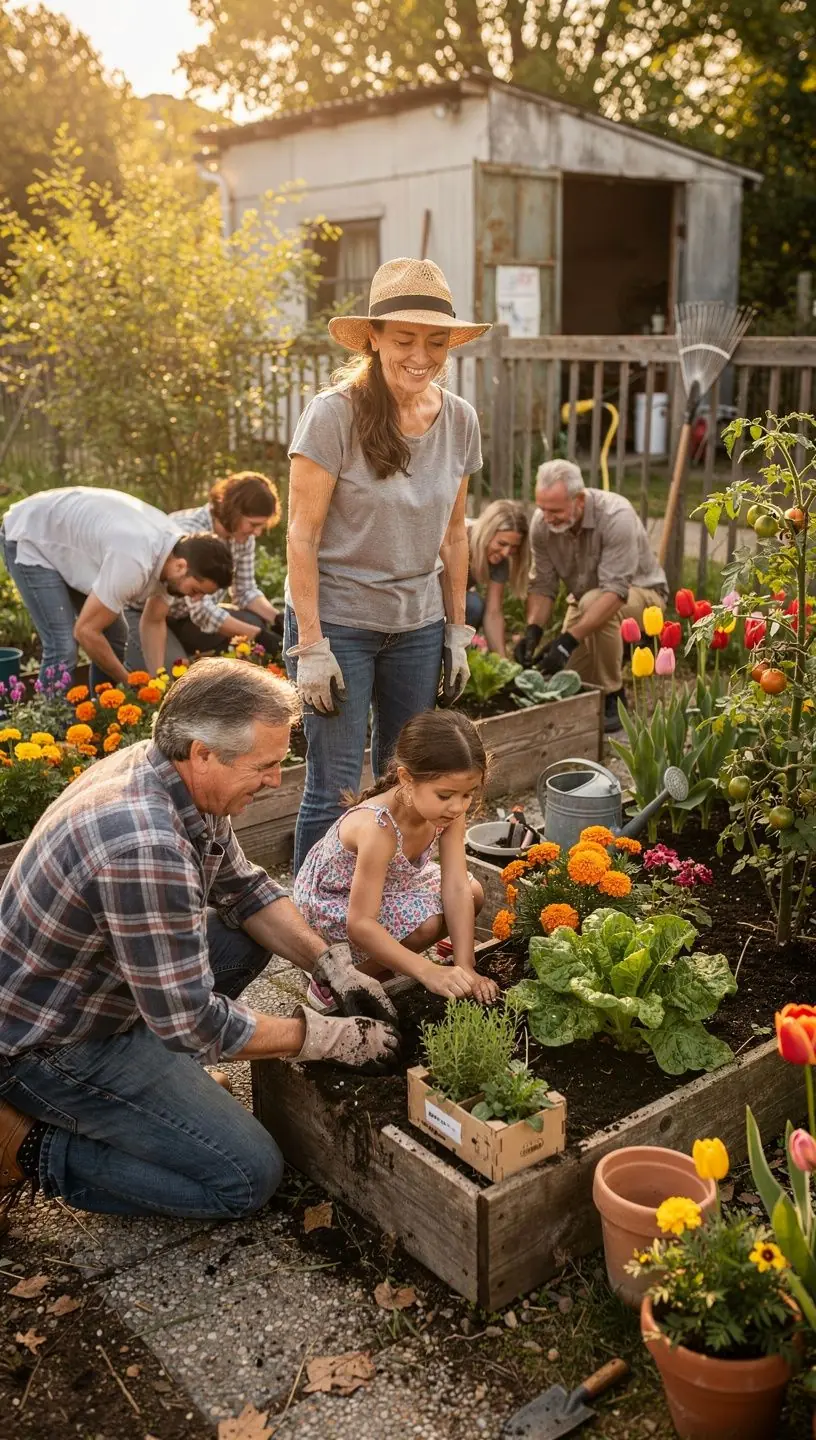
Collaboration in DIY projects can enhance creativity and improve results. Understanding how to work effectively with others is crucial for achieving success in shared crafting environments. This article will discuss key techniques for fostering effective collaboration in DIY projects.
Understanding the Foundations of Collaboration
Collaboration typically involves sharing ideas, resources, and responsibilities among individuals working towards a common goal. According to research from the Harvard Business Review, teams that communicate openly can achieve up to a 25% increase in overall productivity compared to those with limited communication. This indicates that establishing clear communication channels is vital when collaborating on DIY projects.
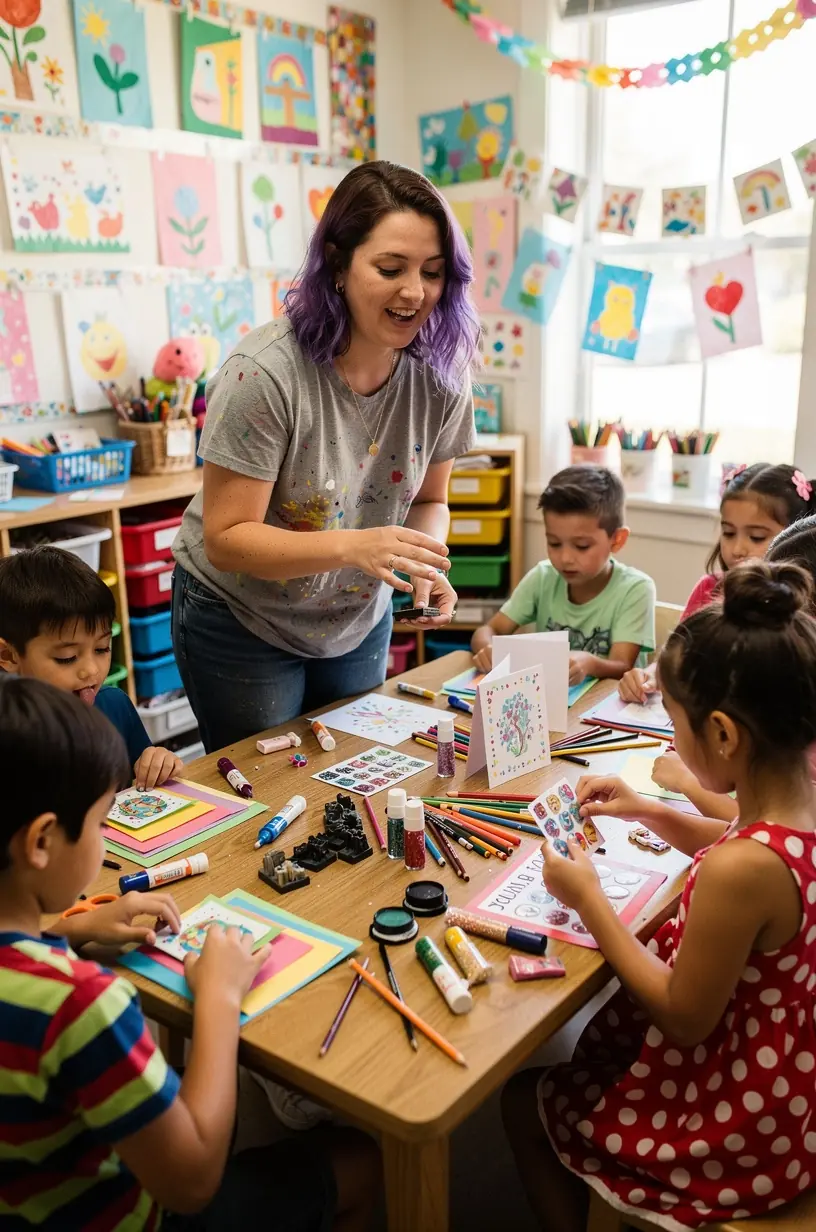
"Effective collaboration not only enhances the quality of work but also fosters a sense of community and shared purpose."
Key Techniques for Successful Collaboration
To promote effective collaboration, consider implementing the following techniques:
- Establish Clear Goals: Before starting a project, define clear and achievable goals. This helps team members understand their roles and the project's overall direction. Research shows that teams with defined objectives are 30% more successful in accomplishing their tasks.
- Leverage Individual Strengths: Each member brings unique skills to the table. Acknowledging and utilizing these strengths can lead to better outcomes. For example, someone skilled in woodworking may lead that aspect of a project while another member focuses on design.
- Promote Open Communication: Encourage team members to share ideas and feedback regularly. Studies indicate that open communication can significantly reduce misunderstandings and enhance team cohesion, leading to a more productive environment.
Creating a Collaborative Environment
In addition to employing techniques for collaboration, creating an environment conducive to teamwork is essential. Here are some practical steps to take:
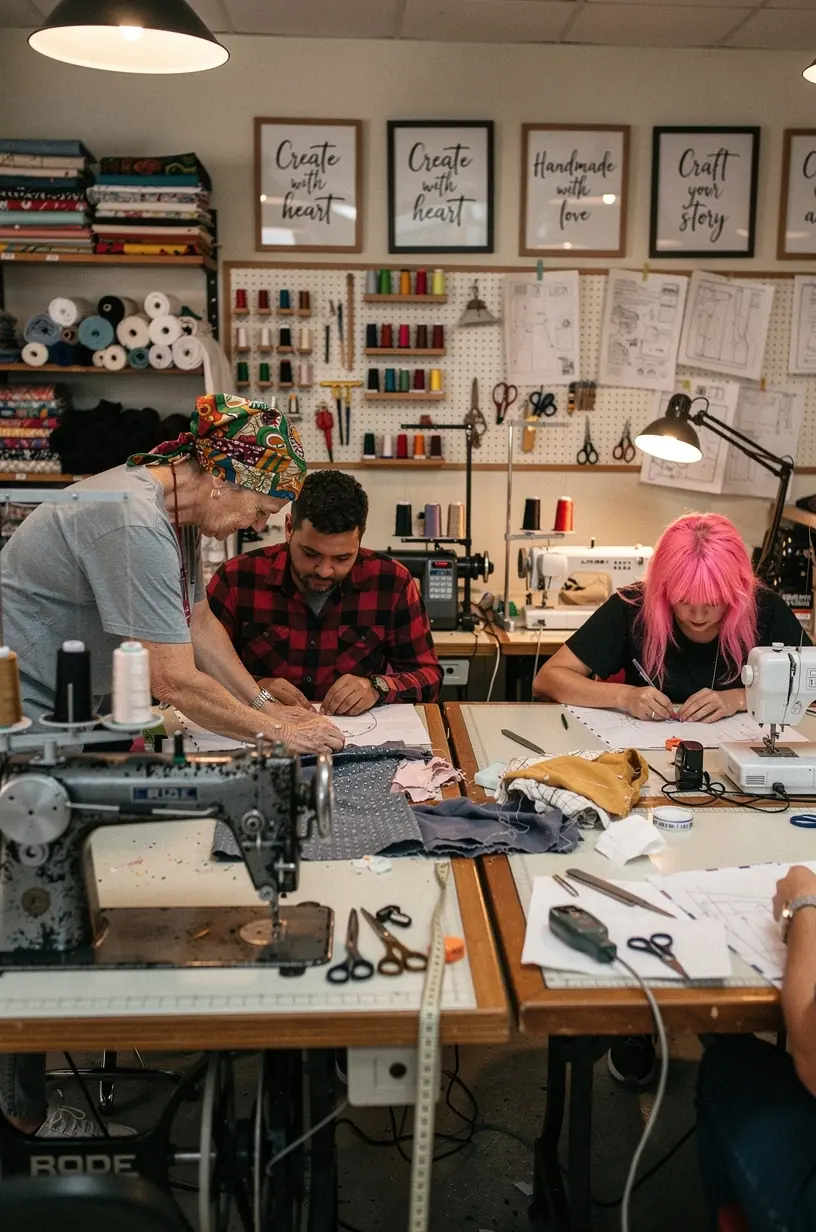
- Set Up a Shared Workspace: A designated area for crafting can help foster collaboration. It provides a physical space where team members can easily access tools and materials, facilitating spontaneous brainstorming and problem-solving.
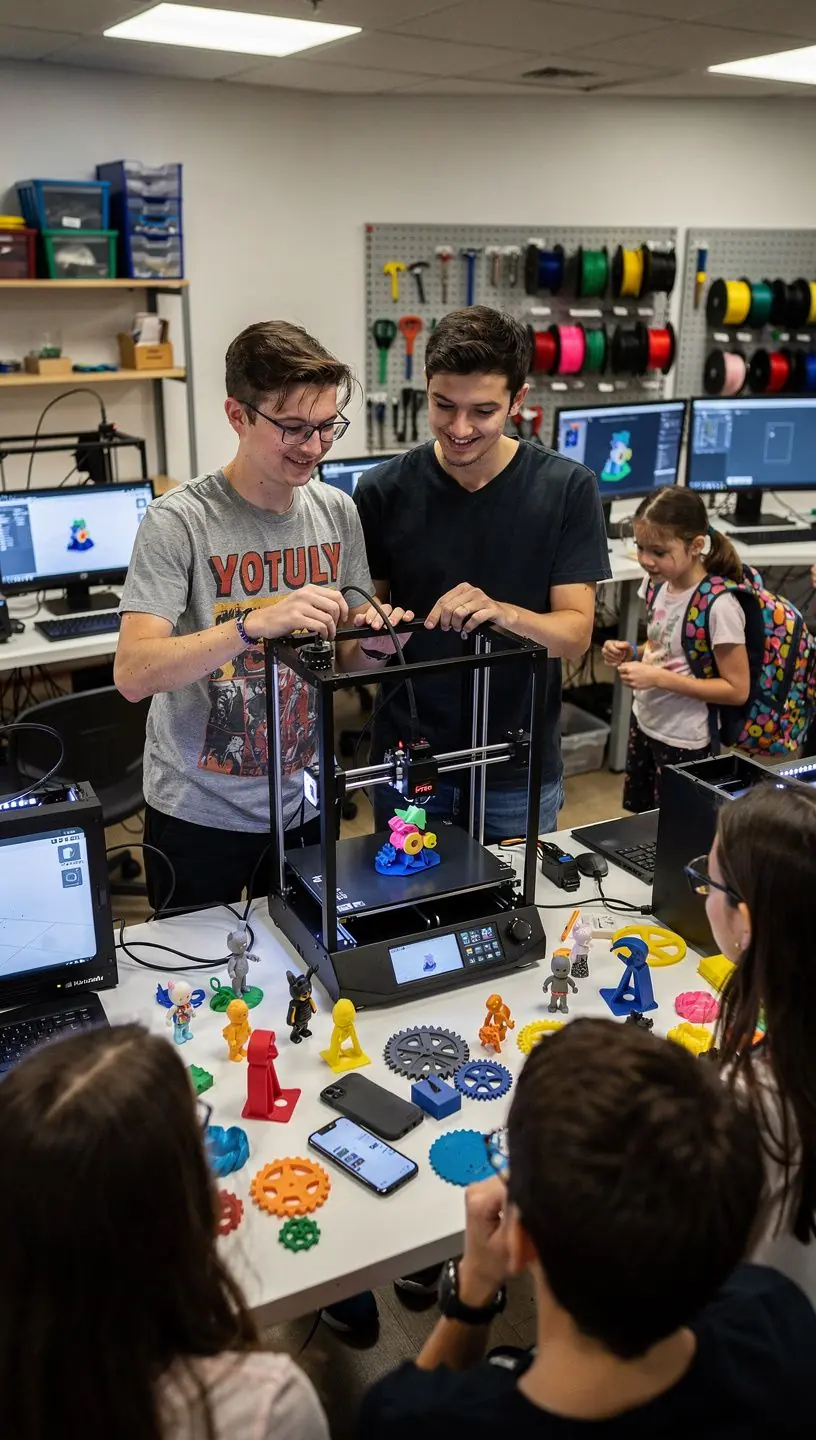
- Integrate Mentoring Opportunities: Pairing less experienced members with seasoned crafters can enhance skill development and create a supportive atmosphere. Mentorship programs can lead to increased confidence and improved craft skills over time.
- Utilize Collaborative Tools: Many digital tools, such as project management apps, can aid in organizing tasks and tracking progress. According to experts, using such tools can streamline workflows and keep everyone informed about project developments.
Acknowledging Challenges in Collaboration
While collaboration has numerous benefits, it’s essential to acknowledge potential challenges. Conflicting ideas and differing working styles can lead to tension in group settings. It's important to establish ground rules early in the process to navigate these conflicts constructively. Additionally, collaboration may require a time commitment that varies depending on the project's complexity, typically ranging from several days to weeks.
Conclusion
Effective collaboration in DIY projects can significantly enhance the quality and enjoyment of the crafting experience. By implementing clear communication, leveraging individual strengths, and fostering a supportive environment, teams can improve their chances of success. Remember, while challenges may arise, the rewards of collaboration often far outweigh the difficulties. Embrace these techniques to enhance your DIY projects and enjoy the journey of creating together.
Discover More