Exploring the Benefits of Shared Creative Spaces
In recent years, the rise of shared creative spaces has transformed the DIY landscape. These hubs, which blend multiple crafts with a collaborative environment, offer myriad benefits to hobbyists and professionals alike. This article delves into the advantages of shared creative spaces and how they can enhance your crafting experience.
Understanding Shared Creative Spaces
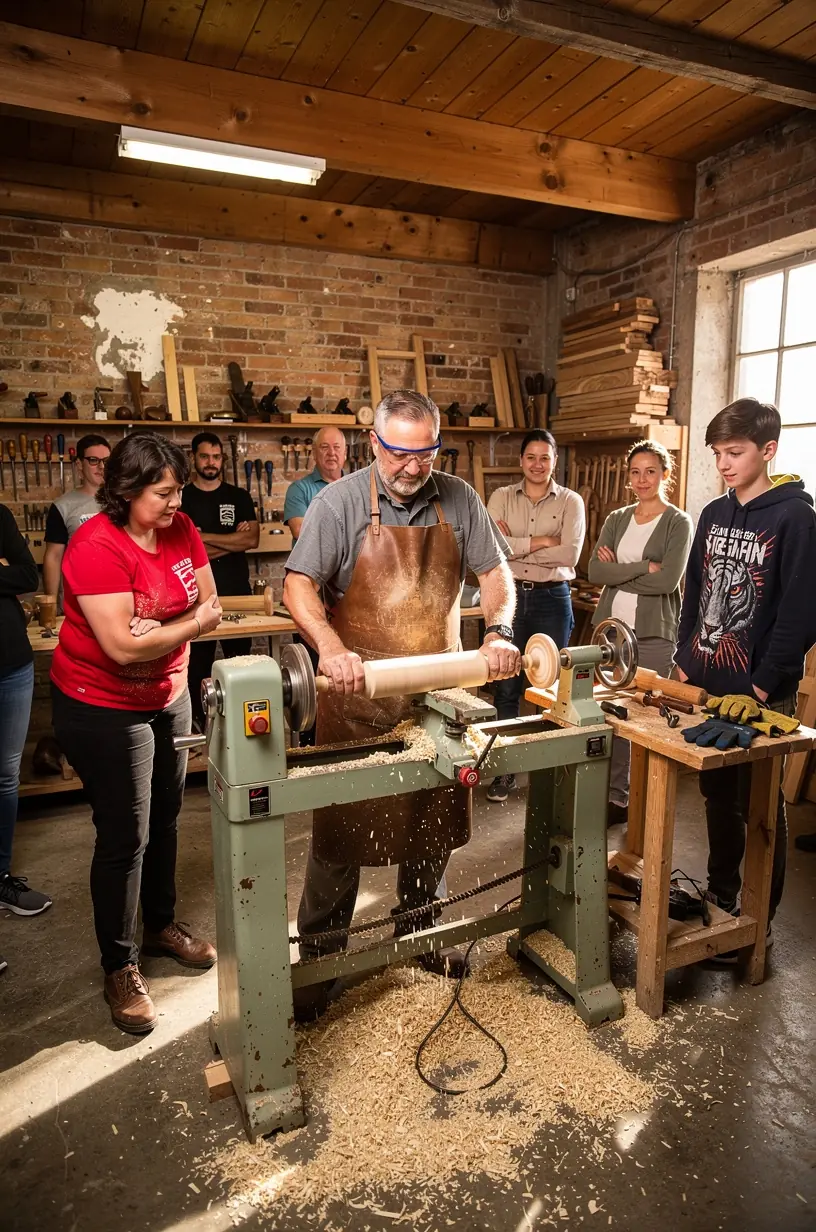
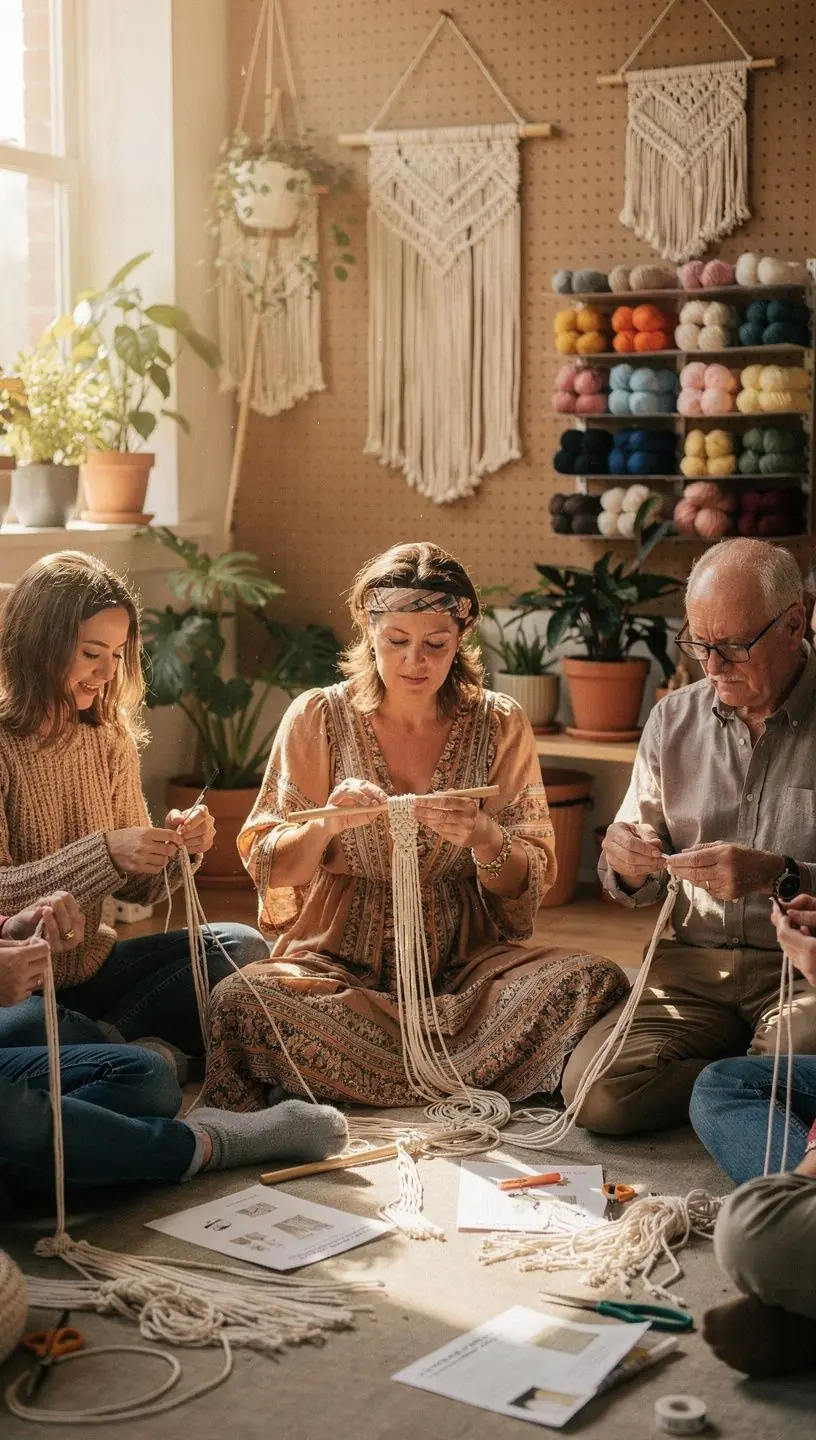
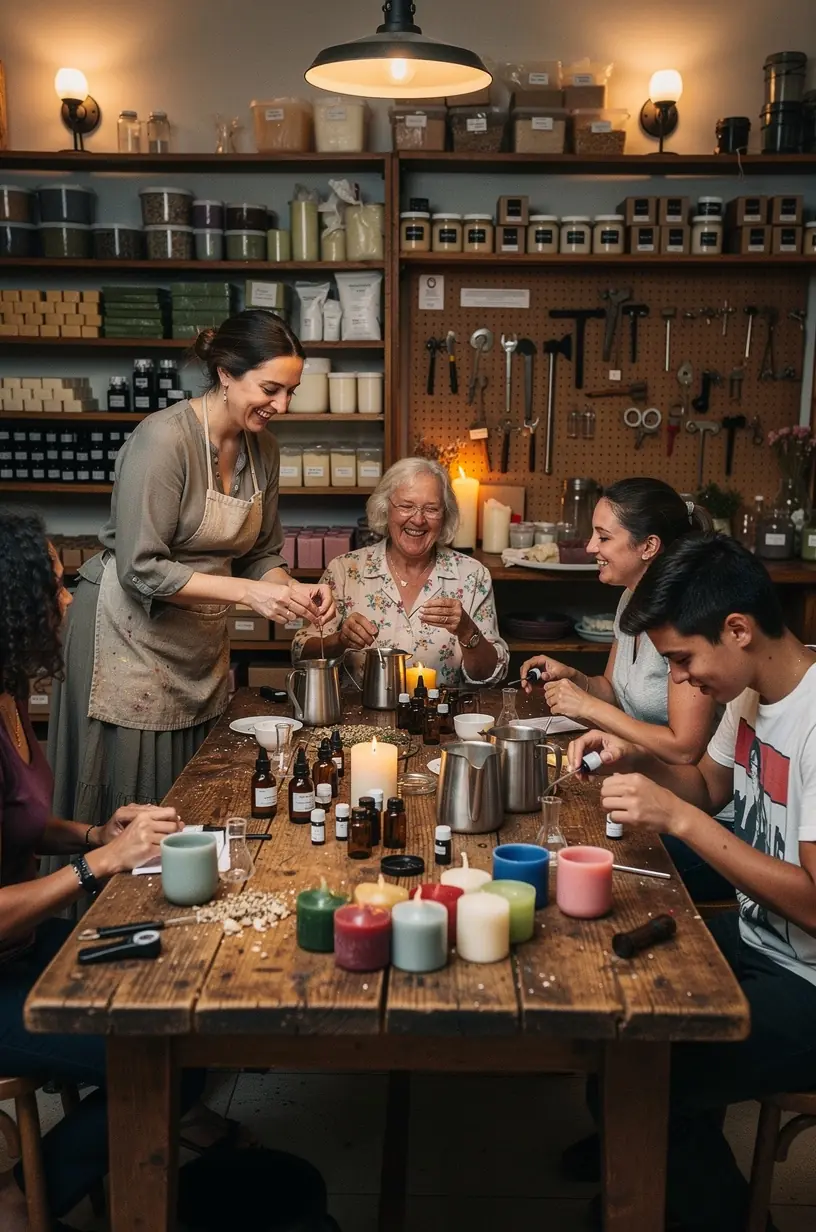
Shared creative spaces are communal environments where individuals can engage in various crafts, such as woodworking, pottery, sewing, and painting. According to industry experts, these spaces typically provide access to tools and resources that may not be feasible for a single individual to own. This not only promotes creativity but also fosters collaboration among diverse artisans.
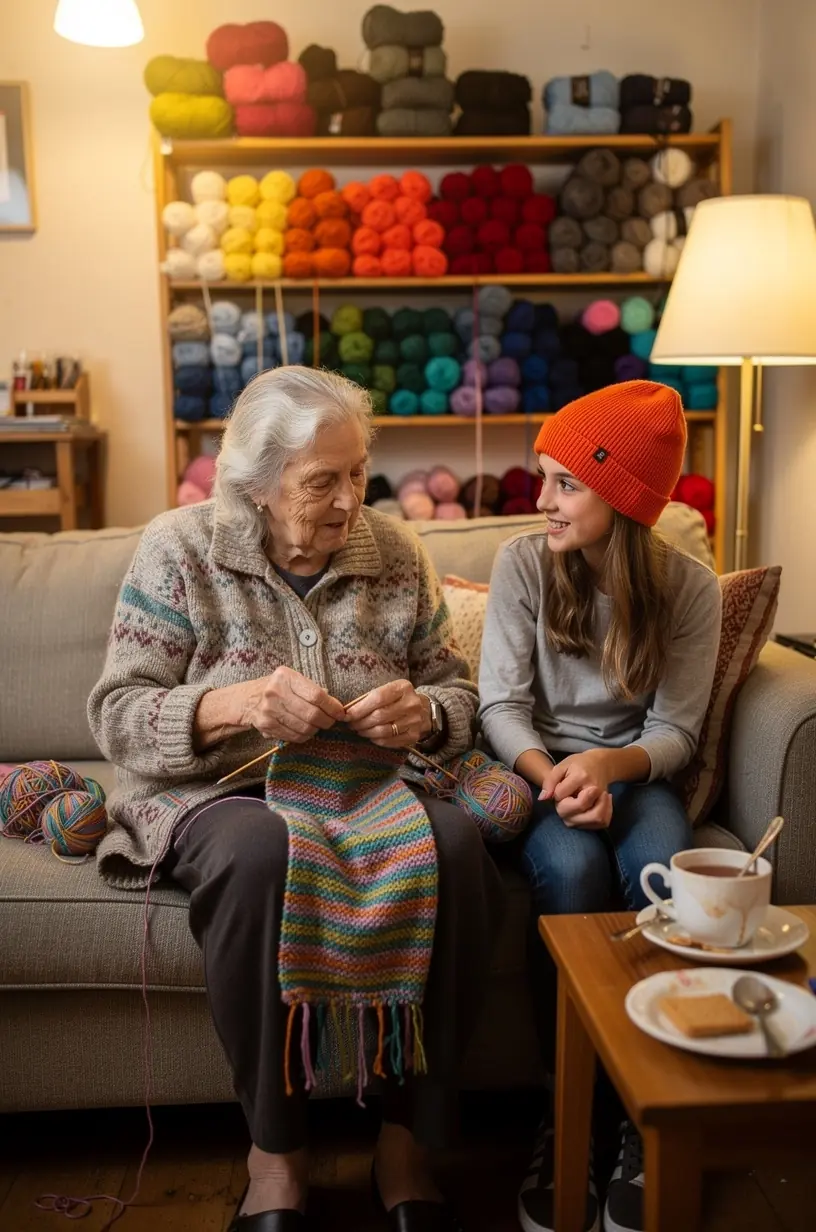
"Shared creative spaces enable individuals to explore their crafts in a supportive environment, significantly enhancing the creative process."
Benefits of Shared Creative Spaces
- Access to Tools and Resources: Many users report that access to high-quality tools and materials in shared spaces can improve the quality of their projects. This is particularly beneficial for those looking to experiment with new techniques.
- Learning Opportunities: These spaces often host workshops and mentoring sessions. Research indicates that engaging in hands-on learning can help improve skills and knowledge retention, providing a more effective educational experience.
- Community and Networking: Shared environments naturally foster a sense of community. Many individuals find that the connections made in these spaces can lead to collaborations, partnerships, and even friendships that enrich their creative endeavors.
How Shared Creative Spaces Enhance Productivity
Studies show that working in a collaborative environment can enhance productivity by 20-30% in similar contexts. This improvement is often attributed to the motivation derived from being around other creative individuals. The principle behind this is simple: when surrounded by passionate people, individuals typically feel inspired to push their own creative boundaries.
Limitations to Consider
While shared creative spaces offer numerous advantages, it is important to acknowledge certain limitations. Participating in these environments typically requires a time commitment, often ranging from a few hours a week to several times a month, depending on personal goals and available projects. Additionally, some spaces may have specific rules regarding the use of materials and tools, which could impact your creative process.
Conclusion
In summary, shared creative spaces can significantly enhance your crafting experience by providing access to resources, facilitating learning, and fostering community engagement. However, it's essential to approach these environments with realistic expectations regarding time commitments and available facilities. By understanding both the benefits and limitations, individuals can make the most of their creative pursuits and ultimately enrich their DIY journeys.